

Basketball has always been a fluid game, but in the NBA, the traditional definitions of point guard, shooting guard, small forward, power forward, and center are rapidly eroding. Welcome to the age of positionless basketball, where versatile athletes and innovative coaching have created a revolutionary way to play and think about the sport. In this article, we’ll explore how this shift developed, the impact on players and teams, and what it means for the future of the NBA.
What Is Positionless Basketball?
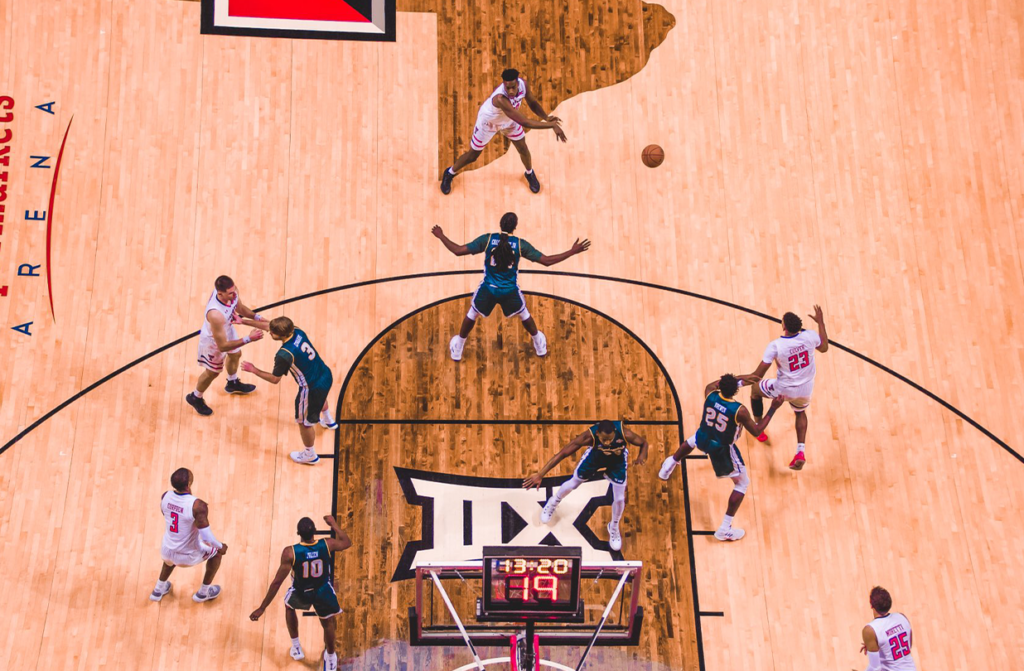
Positionless basketball refers to a style of play in which players are not confined to traditional roles or positions on the court. Instead, teams value versatility, emphasizing skills like ball-handling, shooting, passing, perimeter defense, and decision-making regardless of a player’s size or official position.
Under this approach:
- Players frequently switch defensive assignments.
- Any player may initiate the offense or handle the ball.
- Teams deploy lineups based on matchups and skills rather than job titles.
How Did Positionless Basketball Begin?
Early Glimpses and Influences
While basketball legends like Magic Johnson and Larry Bird showcased versatility in the 1980s, the seeds of positionless play were more fully planted in the late 2000s and early 2010s.
Key historical catalysts:
- Magic Johnson (Lakers): Regularly played all five positions—even in the NBA Finals.
- The 1990s Chicago Bulls: Phil Jackson’s use of Scottie Pippen as a “point forward.”
- European influence: International players like Toni Kukoč and Dirk Nowitzki who broke the mold for what forwards or big men could do.
The Small-Ball Revolution
The evolution truly accelerated with the so-called “small-ball” era led by teams like the Golden State Warriors in the mid-2010s. Deploying Draymond Green—a naturally undersized forward—at center, the Warriors prioritized speed, outside shooting, and switching on defense.
Key Features of Modern Positionless Basketball
1. Versatility Over Specialization
Teams now draft, sign, and develop athletes who can impact every phase of the game:
- 6’10” forwards who can guard point guards (ex: Giannis Antetokounmpo)
- Centers adept at 3-point shooting and ball handling (ex: Nikola Jokic)
- Wings who serve as primary playmakers (ex: Luka Dončić, Jayson Tatum)
2. Switching and Defensive Fluidity
Switch-heavy defenses rely on players who can guard multiple positions. The traditional rim-protecting center is increasingly paired with agile teammates, or even replaced by smaller lineups.
Defensive Impact:
- Increased speed and ability to guard perimeter threats
- More forced turnovers and fast break opportunities
- Less reliance on “help defense” from traditional bigs
3. Democratized Offense
Anyone—regardless of listed position—can bring the ball up, initiate a play, or drive to the basket.
Offensively, this means:
- More creative and unpredictable playmaking
- Height mismatches exploited in every direction
- “Read and react” systems rather than set plays dominating coaching strategies
How Teams Are Succeeding With Positionless Styles
Case Study: Golden State Warriors
No team exemplifies positionless basketball better than the Warriors. With Stephen Curry as a perimeter force, versatile defenders like Klay Thompson and Andre Iguodala, and Draymond Green’s ability to “quarterback” the defense and offense, the Warriors won four championships between 2015 and 2022.
Signature traits:
- Frequent defensive switching
- Defining offense by pace, passing, and spacing
- No clear “center” or position hierarchy in crunch time lineups
Case Study: Miami Heat and “Bam Ball”
The Miami Heat, under coach Erik Spoelstra, have pioneered “Bam Ball,” which leverages Bam Adebayo’s rare ability to defend every position and orchestrate the offense as a center. This flexibility helped Miami reach the NBA Finals twice in four years.
Impact on Stars
LeBron James, Kawhi Leonard, and Kevin Durant—players gifted with size, skill, and court vision—have flourished in this new paradigm, capable of filling any role necessary on offense or defense.
The Draft, Youth Development, and Positionless Future
Changes in Scouting and Player Development
NBA teams now prioritize skills over rigid position labels during the draft and in training:
- More focus on ball-handling, passing, and shooting for all players
- Young centers encouraged to make plays outside the paint
- Guards expected to rebound and defend in the post
Even youth basketball at all levels—AAU, high school, and college—is focused on developing all-around talent, creating a new generation of prospects who are prepared for the positionless NBA.
College and International Influence
NCAA teams like the University of Kentucky and Gonzaga, and international powers such as Real Madrid and FC Barcelona, increasingly deploy lineups where multiple players can shoot, pass, and switch defensively.
Challenges and Criticisms of Positionless Basketball
While the move toward versatility has many supporters, it isn’t without detractors.
Concerns include:
- Loss of the “big man” tradition: Some fans miss the days of classic post play and dominant centers like Shaquille O’Neal or Hakeem Olajuwon.
- Overemphasis on shooting: Without traditional positions, teams sometimes neglect inside scoring, rebounding, or rim protection.
- Positional confusion for young players: Athletes who never develop specialized skills may struggle at the professional level if they lack truly elite versatility.
The Data: Analytics and the Rise of Versatility
The analytics movement in basketball—tracking everything from 3-point shooting efficiency to player movement—has further accelerated the rise of the positionless game. Coaches use data to optimize lineups for switching, shooting, and pace, rather than sticking to traditional five-man units defined by height or handedness.
Numbers that tell the story:
- In the 2022–2023 season, over 40% of NBA teams played their “smallest” lineups as their most-used clutch (close game) combinations.
- The average NBA center now attempts just under three 3-pointers per game, up from less than one as recently as 2015.
What Does the Future Hold for NBA Player Roles?
Continued Evolution
The NBA’s shift toward positionless basketball shows no sign of slowing down. Already, we’ve seen a record number of “unicorn” prospects like Victor Wembanyama—7-footers who dribble, shoot threes, and protect the rim—redefine what scouts look for.
Potential Next Steps
- Even more five-out offensive systems, with all players spaced on the 3-point line.
- Increased use of “zone” defense counters to address spacing and shooting.
- Development of new player archetypes, such as “point center” and “stretch five.”
What It Means for Fans
For fans, positionless basketball brings new excitement, unpredictability, and a dazzling range of highlight plays. As superstars continue to shatter the boundaries of their listed positions, every game becomes a testament to basketball’s ever-changing possibilities.
Conclusion
Positionless basketball is far more than a passing trend—it’s a fundamental reinvention of how the NBA plays, teaches, and even thinks about the sport. With innovation on and off the hardwood, expect this “roleless” revolution to continue shaping the NBA’s future—one versatile, talented player at a time.
