
The NBA schedule delivers a massive inter-conference collision early in the 2026-27 season. The Orlando Magic host the Minnesota Timberwolves at the Kia Center for a Friday night showcase. Both franchises rely on overwhelming physical size and elite defensive execution to win basketball games. Minnesota arrives in Florida featuring an explosive perimeter attack paired with traditional interior rim protection. Orlando counters with a massive, versatile frontcourt and aggressive point-of-attack defense.
This specific contest offers a fascinating study in opposing roster constructions. The Timberwolves build their system around a traditional center dropping deep into the paint. The Magic utilize multiple oversized forwards who can handle the ball and switch across every position. We evaluate the current betting markets, analyze the individual matchups, and predict the outcome of this defensive battle.
Evaluating The Current Betting Markets
Oddsmakers anticipate a low-scoring, highly competitive basketball game. The betting markets establish the Orlando Magic as slight 1.5-point favorites on their home floor. The moneyline pricing reflects this near-even projection. Orlando carries a -115 price, requiring a $115 wager to secure a $100 profit. Minnesota sits at -105 on the moneyline, offering near even-money return for a road victory.
The game total sits at 214.5 points. This represents one of the lowest totals on the current NBA slate. Both teams consistently rank near the top of the league in defensive efficiency. The low number indicates betting syndicates expect a slow, grinding half-court affair.
| Team | Spread | Moneyline | Total |
|---|---|---|---|
| Minnesota Timberwolves | +1.5 (-110) | -105 | Over 214.5 (-110) |
| Orlando Magic | -1.5 (-110) | -115 | Under 214.5 (-110) |
The 1.5-point spread effectively turns this game into a pick-em scenario. Orlando earns the slight nod entirely based on their distinct home-court advantage. The Magic finished with an impressive 29-12 record at the Kia Center last season. Minnesota must execute perfectly in the half-court to steal a victory on the road.
The Perimeter Battle: Anthony Edwards Against Jalen Suggs
The most compelling individual matchup takes place on the perimeter. Anthony Edwards operates as the undisputed primary creator for the Minnesota offense. He uses unmatched explosiveness to break down defenders in isolation. Edwards forces opposing coaches to send aggressive double-teams, which opens up catch-and-shoot opportunities for the supporting cast.
Orlando deploys Jalen Suggs to neutralize opposing star guards. Suggs earned All-Defensive honors by fighting through screens and applying relentless ball pressure. He possesses the lateral quickness to stay in front of Edwards and the physical strength to absorb contact on drives to the basket. Suggs will attempt to force Edwards toward his weak hand and deny him clean looks from three-point range.
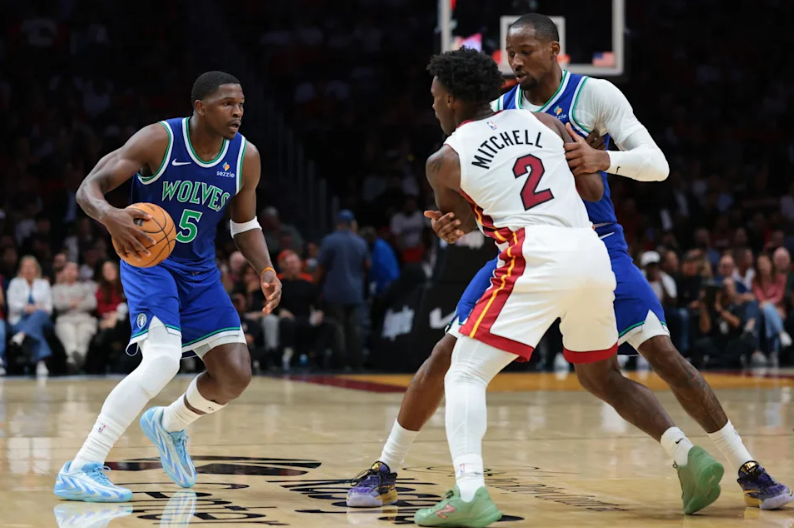
If Suggs contains Edwards without requiring a double-team, the Minnesota offense stalls. The Timberwolves rely heavily on their shooting guard to initiate the initial defensive breakdown. A successful containment strategy by Orlando forces secondary players like Jaden McDaniels and Mike Conley to create their own shots late in the shot clock.
Frontcourt Dynamics And Defensive Schemes
The interior collision features completely different strategic approaches. Rudy Gobert anchors the Minnesota paint. He executes a traditional drop coverage scheme, retreating toward the basket to deter shots at the rim. Gobert alters the geometry of the court. Opposing guards refuse to attack the basket when he occupies the restricted area.
Orlando counters this strategy by deploying Paolo Banchero and Franz Wagner. Both forwards handle the ball on the perimeter. They run pick-and-roll actions as the primary ball-handlers. This forces Minnesota to pull Gobert away from the basket. Banchero utilizes his massive frame to back down smaller defenders or shoot over the top of traditional centers. Wagner slashes through the lane with elite footwork.
The Magic want to drag Gobert into space. They will use Wendell Carter Jr. to set high screens and pop to the three-point line. If Gobert stays in the paint, Carter Jr. gets open jump shots. If Gobert steps out to the perimeter, Banchero and Wagner find open driving lanes. Fans studying NBA defensive schemes understand exactly how difficult it is to protect the rim against five players spaced outside the arc.
Rebounding Margins And Second Chance Points
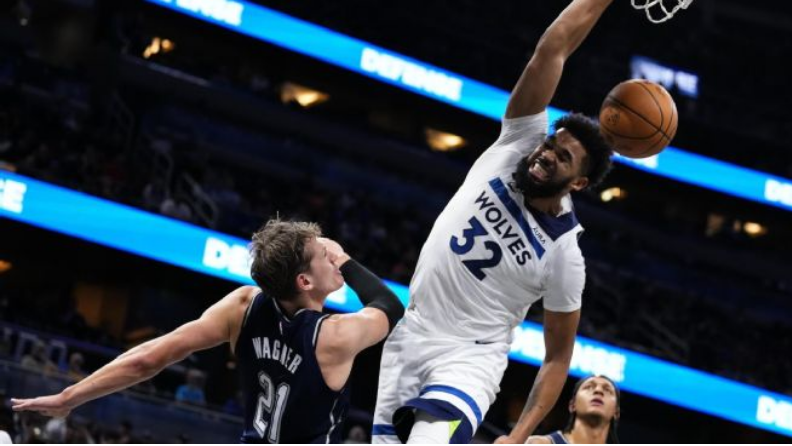
Physicality dictates the outcome of this specific matchup. Both teams feature massive positional size. Rebounding serves as the primary indicator of success for these franchises. Minnesota utilizes Gobert and Karl-Anthony Towns to secure the defensive glass. They limit opponents to a single shot per possession.
Orlando sends multiple bodies to the offensive boards. Banchero, Carter Jr., and Moritz Wagner crash the glass relentlessly. They generate extra possessions through sheer effort. Minnesota must execute flawless box-out fundamentals. Allowing the Magic to score second-chance points ruins the entire defensive game plan.
Transition defense ties directly into the rebounding battle. The Timberwolves want to secure the ball and push the pace. Edwards thrives in the open floor. If Orlando over-commits to the offensive glass, Minnesota will score easy fast-break points. The Magic coaching staff must balance their aggressive rebounding strategy with responsible transition defense.
Analyzing The Bench Units
Regular season depth plays a massive role in tight contests. The Minnesota second unit features Naz Reid, a dynamic scoring center capable of changing the momentum instantly. Reid shoots the ball efficiently from deep range and attacks closeouts off the dribble. Nickeil Alexander-Walker provides aggressive perimeter defense and secondary playmaking.
The Orlando bench relies on Cole Anthony and Jonathan Isaac. Anthony brings instant offense and erratic scoring outbursts. Isaac changes the game entirely on the defensive end. His ability to block shots on the perimeter and switch onto any player makes the Orlando second unit incredibly difficult to score against.
The battle between Reid and Isaac represents a fascinating tactical chess match. Reid wants to drag Isaac to the perimeter. Isaac wants to use his length to disrupt Reid’s shooting motion. The team that wins the rotation minutes will likely secure the outright victory. You can evaluate the specific lineup data for these bench units using official NBA tracking data.
Final Betting Outlook And Prediction
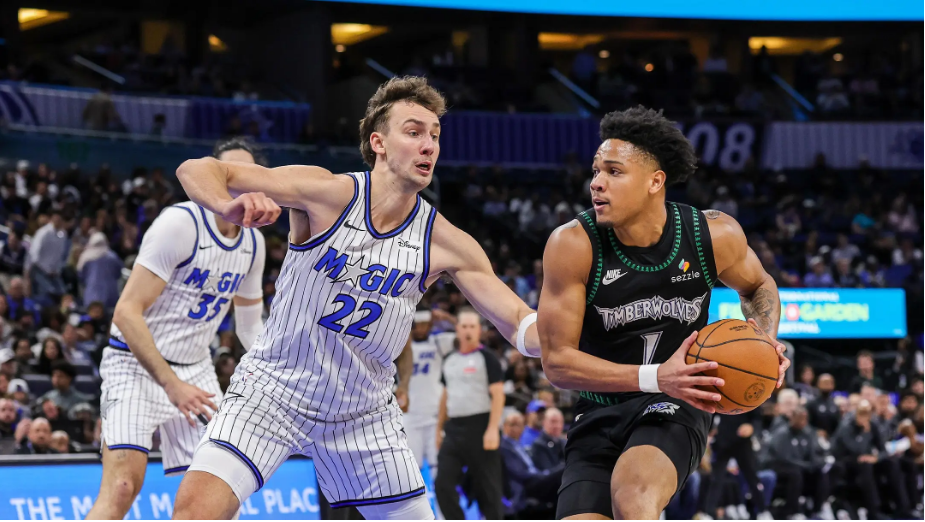
The betting markets accurately project a grueling, low-scoring battle. Both teams possess the defensive personnel to completely shut down the opposing offense. The 214.5-point total reflects the physical nature of the matchup.
Minnesota holds a distinct advantage in late-game isolation scoring. Anthony Edwards hits incredibly difficult shots when the offensive sets break down. Orlando struggles to generate efficient half-court offense in the final two minutes of close games. Banchero often settles for contested mid-range jumpers under pressure.
The 1.5-point spread offers value on the visiting team. Minnesota possesses the necessary size to match Orlando’s physicality. The Timberwolves feature the best individual shot-maker on the floor. Expect a physical game that goes down to the final possession. Minnesota should execute more cleanly down the stretch, securing a narrow road victory and pushing the final score just under the 214.5-point total.
