

The NBA is a league built on opportunity, but it is also a league defined by accountability. Every season delivers breakout stars, second chances, and cautionary tales that reshape the basketball landscape. In today’s era of legalized sports wagering and constant odds movement on platforms like todayslines, the connection between on-court performance and off-court responsibility has never been more scrutinized. Few recent storylines capture that dual reality more clearly than the diverging paths of Jontay Porter and Jamir Watkins.
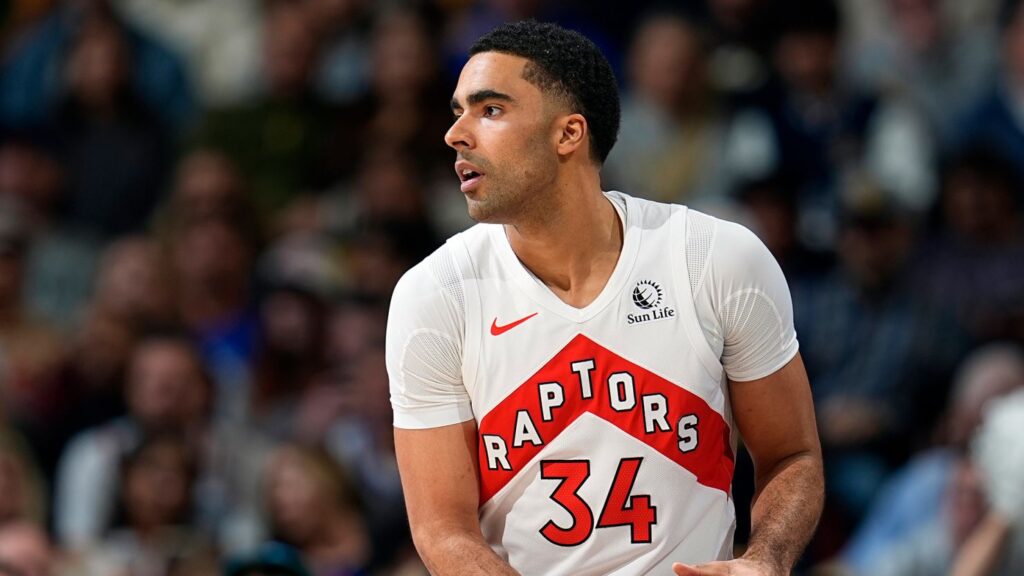
One player is attempting to rebuild a professional career after a lifetime NBA ban tied to violations that shook confidence in competitive integrity—an issue that carries even greater weight in a betting-driven environment. The other is stepping into the spotlight with a standard contract from the Washington Wizards, earning his opportunity through development and discipline. Together, their journeys offer a revealing look at how the modern NBA ecosystem functions, from strict league oversight in the age of sports betting to the carefully structured player development pipelines that continue to shape the league’s future.
The NBA’s Commitment to Integrity
The NBA has long marketed itself as a global sports leader not just in talent, but in professionalism and integrity. The league’s gambling policies, player conduct rules, and compliance systems are designed to protect the credibility of the game. When violations occur, the consequences can be severe.
Jontay Porter’s lifetime ban sent a strong signal across the basketball world. The punishment underscored the league’s zero-tolerance stance on activities that threaten competitive integrity. In today’s era of legalized sports betting partnerships and increased transparency, the NBA cannot afford gray areas. The message was clear: protecting the game comes first.
For Porter, the ruling marked an abrupt halt to a career that once held promise. As a skilled big man with playmaking instincts and shooting touch, he had carved out opportunities despite injuries earlier in his journey. But in professional sports, availability and trust are currency. Once trust is broken, rebuilding it is far more difficult than refining a jump shot.
Jontay Porter’s New League Opportunity
Although barred from the NBA, Porter’s basketball career is not entirely over. His move to a different professional league represents both survival and reinvention. In the wake of the betting-related violations that led to his lifetime ban, Jontay now steps into a far different spotlight—one removed from the intense scrutiny that surrounds NBA games and the odds movement tracked daily by sportsbooks
For players in similar circumstances, alternative leagues can serve as professional lifelines. Overseas organizations and domestic minor leagues have become increasingly structured and competitive. They offer income, playing time, and the chance to maintain a connection to the sport.
However, the gap between playing elsewhere and returning to the NBA remains enormous. A lifetime ban is exactly that. Porter’s future in the NBA itself is closed, but his journey still carries lessons for players entering the league. Talent alone does not sustain a career. Decision-making off the court often determines longevity more than performance on it.
His story also reinforces how closely the NBA monitors player activity. With expanded betting markets and data analytics tracking performance trends, compliance departments are more sophisticated than ever. The league’s swift action showed that enforcement mechanisms are active and effective.
The Human Side of Second Chances
Professional sports often operate in absolutes. Wins and losses, contracts and waivers, suspensions and reinstatements. Yet behind every headline is a human story. Porter’s next chapter, even outside the NBA, represents resilience in the face of public scrutiny.
Athletes are not immune to mistakes, and the pressure of professional environments can magnify poor choices. While the NBA’s decision reflects institutional priorities, Porter’s move to continue playing reflects personal determination. For some fans, the story may symbolize accountability. For others, it may represent redemption in progress.
In either case, it is a reminder that careers can pivot instantly in the modern NBA landscape.
Jamir Watkins and the Value of Development
On the opposite end of the spectrum stands Jamir Watkins, whose trajectory illustrates the power of persistence and structured development. Earning a standard NBA contract is a milestone that validates years of work often unseen by the public.
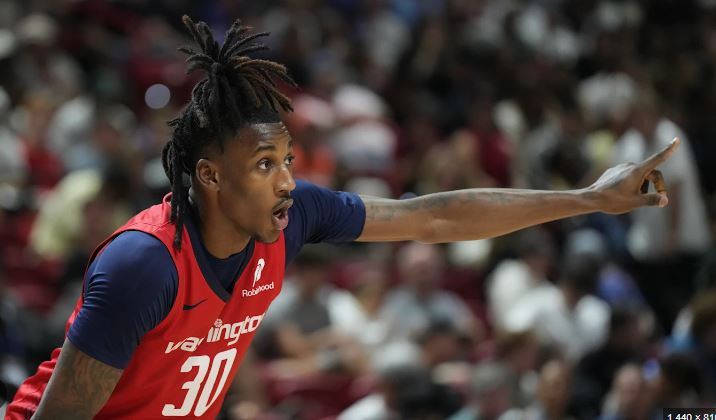
Watkins’ path to the Washington Wizards reflects the NBA’s evolving approach to talent cultivation. Teams now rely heavily on scouting networks, analytics departments, and developmental affiliates to identify players who fit long-term plans. The G League, Summer League performances, and advanced metrics all contribute to contract decisions.
For the Wizards, signing Watkins signals alignment with a broader rebuilding strategy. Washington has been focused on youth, flexibility, and upside. Adding a versatile player who can defend multiple positions and contribute offensively fits the blueprint of modern roster construction.
Watkins’ deal also underscores how opportunity meets preparation. NBA contracts are rarely accidental. They are earned through consistent production, adaptability, and the ability to fit into a team’s system.
Washington Wizards and a Rebuilding Blueprint
The Washington Wizards are in a transformative phase. Rather than chasing short-term playoff pushes, the organization appears committed to cultivating a sustainable core. Young players are being evaluated not just on raw scoring ability but on basketball IQ, defensive engagement, and versatility.
In this context, Jamir Watkins’ signing carries strategic importance. He represents controllable talent with developmental upside. For rebuilding franchises, these types of contracts are low-risk and potentially high-reward.
The NBA’s current collective bargaining agreement further incentivizes teams to invest in youth. Rookie-scale contracts and team control windows provide financial flexibility, allowing organizations to build gradually without crippling cap commitments.
Watkins’ breakthrough moment is therefore not just a personal triumph. It reflects league-wide trends in roster construction, emphasizing development over splashy acquisitions.
NBA Roster Moves and League-Wide Implications
When analyzing NBA roster moves, context matters. One player’s departure and another’s arrival may seem unrelated, but together they illustrate the broader system at work.
Porter’s situation highlights how fragile professional standing can be. Watkins’ signing demonstrates how prepared prospects can capitalize when opportunities arise. The NBA is constantly recalibrating, with compliance, scouting, analytics, and development all shaping outcomes.
These contrasting stories also speak to the volatility of the league’s talent pool. For every player whose career derails, another is ready to step forward. The NBA’s depth is fueled by global scouting and an increasingly competitive pipeline.
International leagues, collegiate programs, and developmental systems ensure that roster spots are always contested. The margin for error is thin. Professionalism is no longer optional; it is foundational.
Accountability and Opportunity in the Modern NBA
The modern NBA operates at the intersection of entertainment, business, and global branding. With billions in revenue and international partnerships, maintaining credibility is paramount. That is why disciplinary decisions are swift and decisive.
At the same time, the league prides itself on opportunity. Undrafted players become starters. Two-way contracts turn into long-term deals. Development stories capture fan imagination.
Porter and Watkins embody these dual forces. One story reinforces the consequences of violating league standards. The other reinforces the rewards of perseverance within them.
For aspiring players, the takeaway is clear. Talent opens doors, but character and professionalism keep them open. The NBA’s structure supports growth, but it demands responsibility.
What This Means for the NBA Landscape in 2026
Looking ahead, these developments may seem like small footnotes in a long season. Yet they reveal key trends shaping the league in 2026.
First, compliance and monitoring systems will only grow stronger as sports betting partnerships expand. Transparency and integrity will remain top priorities.
Second, rebuilding teams like the Washington Wizards will continue prioritizing development. The draft, G League, and cost-controlled contracts are central to sustainable success.
Third, player narratives will increasingly influence brand perception. In an era of social media and 24-hour coverage, every decision carries amplified consequences.
The NBA landscape is defined by constant movement. Contracts are signed. Careers pivot. Opportunities shift overnight. Porter’s new league chapter and Watkins’ NBA breakthrough are not isolated events. They are part of a larger ecosystem that rewards preparation and punishes missteps.
Conclusion: Two Paths, One League Reality
From lifetime bans to rookie contracts, the NBA encompasses the full spectrum of professional sports realities. Jontay Porter’s attempt to rebuild outside the league and Jamir Watkins’ emergence with the Washington Wizards highlight how quickly fortunes can change.
Their stories serve as reminders that the NBA is both unforgiving and full of possibility. Accountability safeguards the league’s integrity. Opportunity fuels its future.
As the season unfolds, new headlines will replace these. But the underlying lesson will remain. In the NBA, every chapter matters. Careers are shaped not only by performance between the lines, but by choices beyond them.
