

MIAMI — When the Miami Heat face the Atlanta Hawks tonight, the standings matter — but the chess match may matter more.
Both teams are clustered in the middle of the Eastern Conference playoff picture, fighting for positioning that could determine who avoids the play-in tournament and who is forced into it. But beyond seeding implications, this matchup is a study in contrasting basketball philosophies: Miami’s structure and half-court discipline versus Atlanta’s pace, spread pick-and-roll, and transition aggression.
Heat Strategy: Control Pace, Win the Possession Battle
Under Erik Spoelstra, Miami rarely beats itself. The Heat prioritize:
- Defensive communication and switching versatility
- Limiting live-ball turnovers
- Slowing tempo to force half-court execution
- Generating corner threes through drive-and-kick sequences
Against Atlanta, tempo control becomes the first strategic priority. The Hawks are most dangerous when they turn rebounds into early offense and flow directly into high pick-and-roll action before the defense is set.
If Miami can:
- Set its defense early
- Show multiple coverages at the point of attack
- Shrink the floor without surrendering open corner threes
…the game shifts toward Miami’s comfort zone.
Expect Spoelstra to mix defensive looks — drop coverage on some possessions, switch across positions on others, and occasionally show blitz pressure to disrupt rhythm.
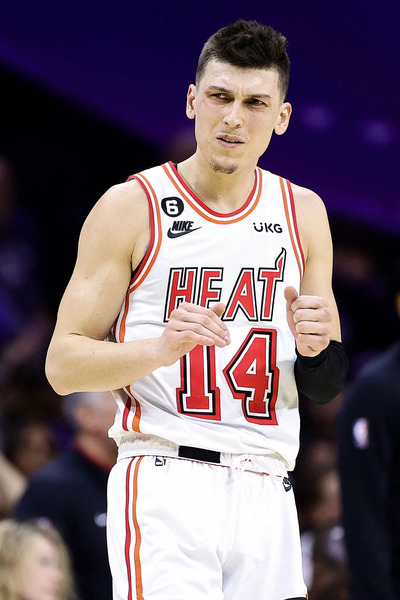
Tyler Herro’s Role in Spacing and Shot Creation
If Tyler Herro is active, the strategic impact goes beyond scoring.
Herro’s presence changes:
- Weak-side gravity
- Late-clock shot creation
- Two-man actions at the elbow
- Secondary pick-and-roll threats
Without him, Miami’s offense can become predictable — heavy on structured sets and dependent on physical drives. With him, the Heat can run more dribble-handoff action, Spain pick-and-roll counters, and staggered screens to free shooters above the break.
Atlanta’s defensive vulnerability often appears in off-ball rotations. Herro’s movement forces difficult tag decisions from help defenders.
Hawks Strategy: Spread, Attack, Repeat
Atlanta’s identity is built around:
- High ball screens above the arc
- Quick decisions out of pick-and-roll
- Weak-side shooters lifting and relocating
- Attacking mismatches early in the clock
The Hawks thrive when the ball handler forces Miami’s bigs into space. If the Heat stay in drop coverage, Atlanta will hunt pull-up jumpers and pocket passes. If Miami switches, the Hawks will isolate smaller defenders or create post mismatches.
Atlanta’s second priority: offensive rebounding and second-chance points. Extended possessions disrupt Miami’s rhythm and increase overall pace.
Tactical Pressure Points
1. Defensive Rebounding
If Miami secures one-and-done stops, the game slows. If Atlanta wins the glass, momentum shifts quickly.
2. Turnover Margin
Atlanta wants to convert steals into open-floor scoring. Miami prefers controlled possessions and calculated half-court sets.
3. Free Throw Differential
When Miami attacks downhill and lives at the line, the Heat dictate tempo and defensive matchups.
Late-Game Execution
In games between these teams, the final five minutes often determine everything. Strategically, watch for:
- Heat running elbow sets and inverted pick-and-roll
- Hawks spacing five out to isolate on switches
- Defensive adjustments after timeouts
- Substitution chess matches to maximize matchups
Spoelstra’s late-game ATO (after-timeout) design is among the league’s most detailed. Atlanta counters with speed and shot-making confidence.
Betting Market Context
From a strategy standpoint, pace projection is key. A faster game favors Atlanta’s shot volume and spacing. A slower, grind-it-out half-court battle tilts toward Miami’s defensive structure.
If you’re comparing lines, props, or matchup trends, you can review the sportsbook options at Oddstrader.
The Bottom Line
This is not just a mid-season divisional meeting. It’s a stylistic clash:
- Discipline vs. tempo
- Structure vs. spread
- Defensive switching vs. high pick-and-roll pressure
Whichever team imposes its preferred pace and wins the possession math likely walks away with a critical Eastern Conference victory.
For Miami, that means defending without fouling and executing late.
For Atlanta, it means turning the game into a track meet before the Heat can build their defensive shell.
Tonight’s outcome may hinge less on star power — and more on which coach wins the adjustments.
