

The recent injury to Dillon Brooks has created a significant gap for his team, both defensively and emotionally. Known for his physical style of play, perimeter defense, and ability to disrupt opposing offenses, Brooks has earned a reputation as one of the league’s most intense competitors. His expected absence—projected at four to six weeks comes at a crucial stage of the season, where consistency often determines playoff positioning.
Losing a player of Brooks’ caliber presents challenges that go beyond the stat sheet. His influence shapes team identity, defensive schemes, and overall energy on the court. Without him, the team must quickly adapt to maintain its competitive edge.
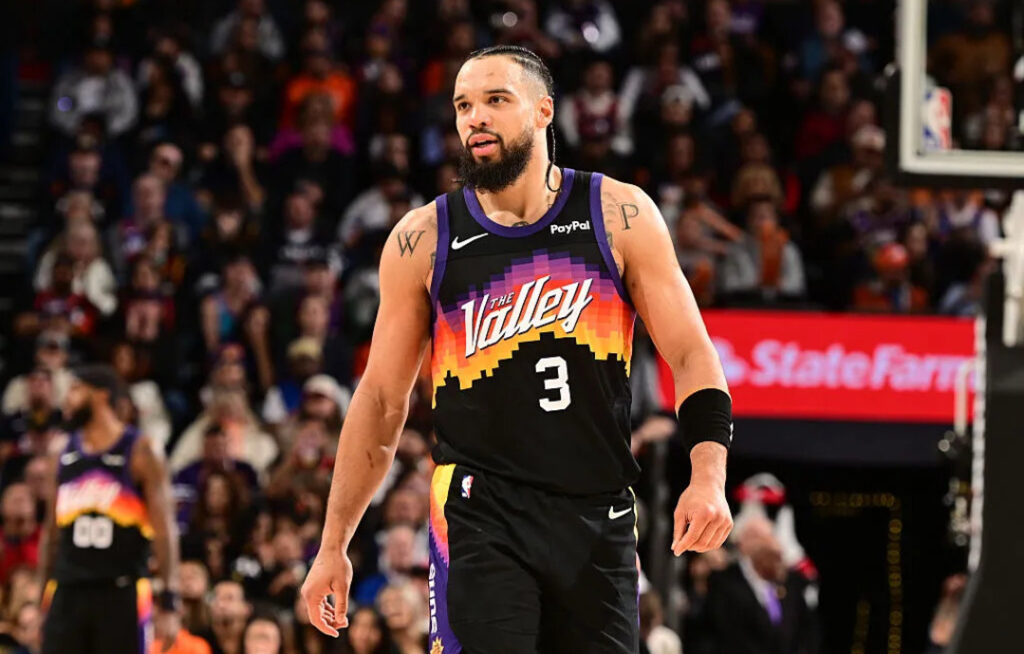
Understanding the Nature of the Injury
While detailed medical reports have not been fully disclosed, early indications suggest the injury is not season-ending but serious enough to require structured rehabilitation. A four- to six-week recovery timeline typically points to a moderate soft tissue issue, such as a strain or sprain, rather than a fracture or long-term damage.
This timeframe assumes a smooth recovery process. Modern teams emphasize caution, prioritizing long-term health over rushing players back. Brooks’ rehabilitation will likely include controlled therapy, gradual reintroduction to basketball activity, and careful workload management upon return. This approach reduces the risk of setbacks and ensures he returns at full strength.
The Immediate Impact on Team Performance
Brooks’ absence will be felt most on the defensive end. Often tasked with guarding the opposition’s top scorer, his presence is critical in limiting elite offensive players. Without him, defensive assignments become more complicated, forcing adjustments in both matchups and schemes.
Teammates will need to take on additional defensive responsibilities, which may lead to mismatches against high-scoring opponents. Coaches could respond by altering defensive strategies, possibly incorporating more team-oriented systems rather than relying on individual defensive matchups.
Offensively, Brooks contributes through spacing, transition play, and secondary scoring. While not always the focal point, his role helps maintain balance. Without him, primary scorers may face increased pressure, which could impact efficiency over time.
Opportunities for Emerging Talent
Injuries often create opportunities, and Brooks’ absence is no exception. Rotation players and younger athletes now have a chance to step into larger roles and prove their value. Increased minutes can accelerate development, particularly for players looking to establish themselves within the team.
This period also allows coaching staff to experiment with different lineups and tactical approaches. In some cases, these adjustments reveal new combinations that remain useful even after the injured player returns. What begins as a setback can sometimes lead to long-term improvements in depth and versatility.
Recovery Timeline and Return Expectations
Recovery timelines vary depending on the individual and the injury itself. For Brooks, his physical toughness and competitive mindset suggest he will approach rehabilitation with focus and discipline. However, returning to peak performance involves more than healing.
Players must regain conditioning, timing, and defensive sharpness before fully reintegrating. As a result, Brooks’ minutes will likely be limited initially. Coaching and medical staff will monitor his workload closely to avoid reinjury and ensure a smooth transition back into the lineup.
Strategic Adjustments During His Absence
Teams rarely stand still when faced with adversity. In Brooks’ absence, the coaching staff will likely emphasize collective defense rather than individual assignments. Strong communication and team rotations will become even more important.
Offensively, improving ball movement and efficiency can help offset defensive limitations. By maintaining a fast pace and maximizing scoring opportunities, the team can stay competitive despite missing a key defensive piece.
Leadership also plays a vital role during this stretch. Veteran players are expected to step up, providing stability and maintaining team morale as they navigate a challenging period.
The Psychological Impact on the Team
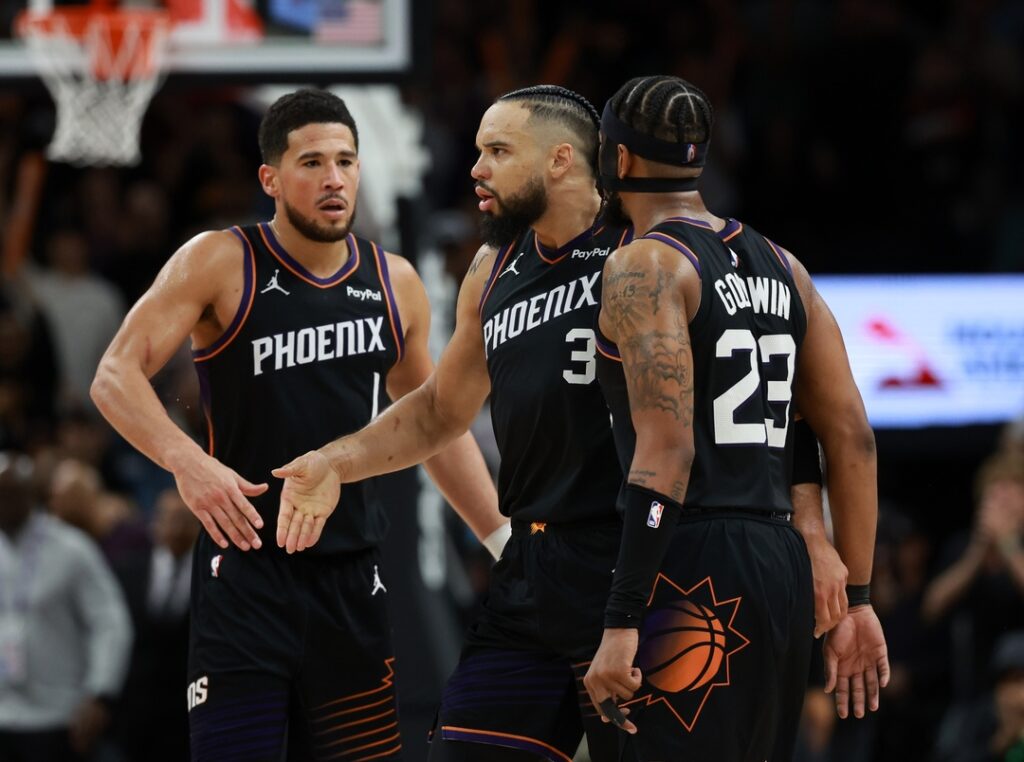
Beyond physical adjustments, the absence of a player like Brooks carries a psychological effect. His intensity often sets the tone for the team’s mindset. Without him, maintaining that same level of energy can be difficult.
However, adversity can also strengthen team unity. Some squads respond to injuries with increased focus and resilience, using the situation as motivation to exceed expectations. How the team responds mentally will be just as important as any tactical adjustment.
Long-Term Outlook for the Season
Brooks’ projected return within four to six weeks positions him to rejoin the team during a critical phase of the season. If recovery progresses as expected, he could provide a late-season boost, particularly in games that carry playoff implications.
A healthy return would restore defensive stability and reintroduce intensity he brings to the lineup. Players coming back from injury often inject renewed energy, which can positively influence team momentum heading into the final stretch.
The priority will be ensuring he returns fully recovered and integrates smoothly without disrupting any progress made during his absence.
Final Thoughts
Dillon Brooks’ injury presents a challenge, but it is far from insurmountable. While his defensive presence and intensity will be missed, this period offers opportunities for growth, adaptation, and strategic refinement.
If the team can remain consistent and competitive during this stretch, Brooks’ return could act as a catalyst for a strong finish. In a league where resilience often defines success, this situation will test the team’s ability to adjust and respond under pressure.
