

In the world of sports endorsements, few decisions carry long-term consequences as significant as those made away from the cameras. One such turning point involved Michael Jordan, Nike, and a campaign concept that would eventually define the illustrious career of Kobe Bryant. What started as a simple marketing pitch grew into the powerful, influential brand known as the “Black Mamba.”
Why Michael Jordan Said No
During his prime, Jordan was more than an NBA superstar he was a global icon. Through his partnership with Nike and the legendary Air Jordan line, Jordan changed the way athlete brands were built. His image was based on excellence, competitiveness, and a clean yet powerful appeal. Nike, constantly seeking new directions, once pitched a campaign centered on a “darker, more intense persona.” However, the idea didn’t match Jordan’s brand a brand that stood for dominance, confidence, and broad, global relatability.
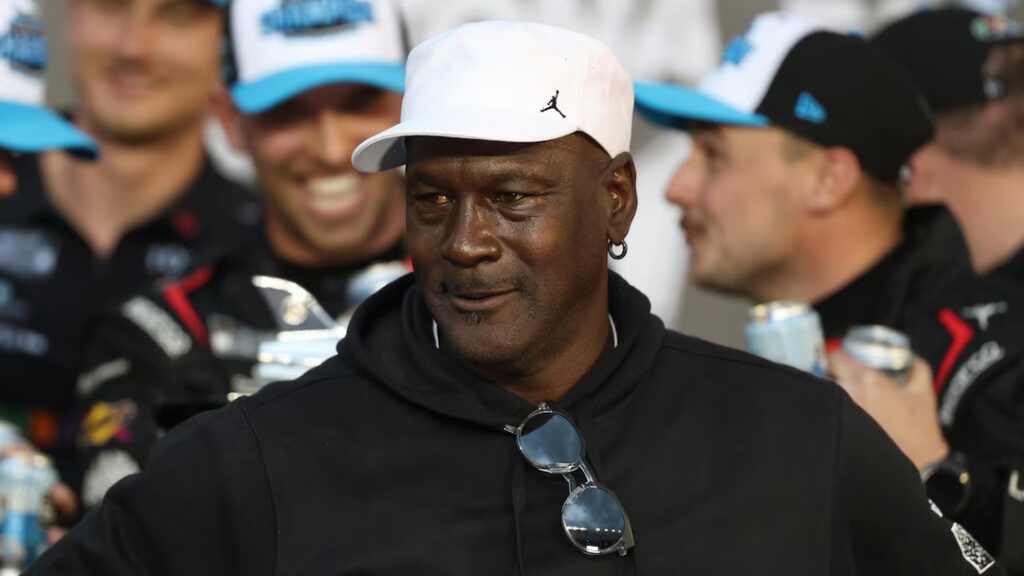
Jordan’s refusal was a strategic choice rather than a missed opportunity. By then, he had solidified his legacy with six NBA championships and a worldwide following. Embracing a radically different persona risked diluting the brand consistency that made him a unique marketing force. For Jordan, staying relatable and aspirational mattered; pushing toward a more “aggressive, predatory identity” would have undermined that universal appeal.
The episode is a reminder that elite athletes fiercely protect their brand identity, just as they do their performance on the court.
Enter Kobe Bryant: A Different Mindset
Where Jordan saw brand misalignment, Kobe Bryant saw opportunity. Still in the process of defining his own legacy, Kobe was eager to cement his place among the sport’s greats. Unlike Jordan, who was protecting his established reputation, Kobe was building a brand from the inside out.
Renowned for his relentless work ethic and psychological intensity, Kobe embraced the potential benefits of adopting what became the “Black Mamba” persona. It was more than a marketing tool—it was a philosophy centered on precision, focus, and channeling competitive aggression. Adopting the nickname during a challenging period in his career allowed him to compartmentalize pressures and direct them into performance. The campaign wasn’t just about selling shoes; it was about storytelling and authentic identity.
The Birth of the ‘Black Mamba’ Identity
The partnership between Nike and Kobe Bryant transformed the campaign. Instead of a generic marketing message, Nike developed campaigns that truly emphasized Kobe’s precision, discipline, and killer instinct. The messaging was a natural fit, especially for younger fans who admired Kobe’s obsessive pursuit of greatness. The “Black Mamba” became more than a nickname; it distilled the mentality that Kobe embodied on the court and in life.
Unlike traditional athlete endorsements, which focused on statistics and records, the “Black Mamba” campaign sold a mindset—inviting fans to adopt the “Mamba Mentality,” a philosophy defined by improvement, resilience, and fearlessness. This was a shift in athlete marketing, with narrative and identity becoming as important as performance.

A Perfect Alignment of Brand and Personality
The campaign succeeded because it aligned naturally with Kobe’s personality. While Jordan’s brand thrived on universal appeal, Kobe’s was sharpened by intensity and edge. Kobe lived the Black Mamba—from pre-dawn training sessions to clutch playoff performances, reinforcing the persona’s credibility.
Authenticity was key; fans were drawn to the consistent, real-life embodiment of the campaign’s message. That consistency deepened the legacy of the Black Mamba identity and set a new standard for athlete-driven marketing.
How the Campaign Elevated Kobe’s Legacy
The “Black Mamba” campaign played a crucial role in elevating Kobe Bryant’s global brand. While Kobe was already a superstar, this campaign gave him a distinct identity that set him apart even from legends like Jordan.
For Nike, the campaign signaled a new capability: creating new icons and unique narratives, not just relying on earlier successes. This versatility helped Nike maintain its dominance in the basketball market.
For Kobe himself, the “Black Mamba” identity became inseparable from his legacy. Long after his retirement, the Mamba Mentality continues to inspire fans, athletes, and entrepreneurs.
A Lesson in Timing and Perspective
The contrast between Jordan’s rejection and Kobe’s embrace shows the importance of timing and alignment. What didn’t fit Jordan’s established legacy was a natural extension for Kobe’s emerging one. The right idea, at the right time, with the right person, can become transformative.
This lesson extends beyond sports: in business or art, opportunities are defined by readiness, context, and personal resonance.

The Lasting Impact on Nike and Athlete Branding
Nike’s ability to repurpose the campaign demonstrated both agility and insight. In recognizing the fit between Kobe and the campaign, the company turned a rejected pitch into a hallmark of global sports culture.
The “Black Mamba” campaign set a precedent for athlete branding. It showed that building a strong, authentic identity could create deeper fan-audience connections. Today, more athletes are following its blueprint, crafting personal narratives that go beyond statistics.
From Rejection to Reinvention
The story of the campaign Michael Jordan rejected—and Kobe Bryant made iconic—is a lesson in perspective and timing. Jordan’s decision maintained his legacy; Kobe’s choice helped define a new one.
The campaign became a mindset and legacy that inspires well beyond sports. The “Black Mamba” is not just a nickname—it’s a symbol of relentless pursuit and unwavering focus. In the end, the world’s most powerful athlete identities are often created not from what’s accepted, but from what’s reimagined and made one’s own.
