

The NBA has always been a league defined by evolution. From the dominance of traditional centers in earlier decades to the perimeter-oriented play of the modern era, basketball strategy continues to shift with each generation. In 2026, one of the most significant transformations shaping the league is the rise of positionless basketball a style that challenges conventional roles and emphasizes versatility above all else.
Teams are no longer building rosters around rigid positional labels such as point guard, shooting guard, or center. Instead, they are prioritizing players who can dribble, pass, shoot, and defend across multiple positions. This shift is not just a trend; it is a strategic revolution that is redefining how the game is played at the highest level.
What Is Positionless Basketball?
Positionless basketball refers to a system in which players are not confined to traditional roles. Instead of assigning fixed responsibilities based on height or position, teams focus on skill sets and adaptability.
In this approach, a 6’9” forward might initiate the offense like a point guard, while a guard could defend larger players in the paint. The goal is to create lineups where every player can contribute in multiple ways, making the team more dynamic and unpredictable.
This concept has gained traction as the league becomes faster and more skill-oriented. Players are entering the NBA with more diverse abilities, allowing coaches to experiment with flexible systems that maximize efficiency on both ends of the floor.
The Evolution from Traditional Roles to Versatility
For decades, basketball followed a structured format. Centers dominated the interior, guards handled the ball, and forwards operated in between. However, this framework began to shift as the game embraced spacing, shooting, and pace.
The transition accelerated in recent years as teams recognized the advantages of versatility. Instead of relying on specialized roles, organizations began developing players who could perform multiple functions.
Teams like the Golden State Warriors pioneered smaller, more flexible lineups that emphasized speed and shooting. Today, that philosophy has expanded across the league, influencing how teams construct their rosters and design their strategies.
Why Positionless Basketball Is Dominating in 2026
The rise of positionless basketball is driven by several key factors that align with the modern game.
First, the emphasis on spacing and three-point shooting has made traditional lineups less effective. Teams need players who can stretch the floor, creating driving lanes and open shots.
Second, defensive schemes have evolved to prioritize switching. Having players who can guard multiple positions allows teams to adapt quickly without breaking their structure.
Finally, the pace of the game has increased. Faster transitions require athletes who can handle the ball, make decisions, and contribute immediately, regardless of their size.
These elements combine to make versatility one of the most valuable traits in today’s NBA.
Star Players Leading the Movement
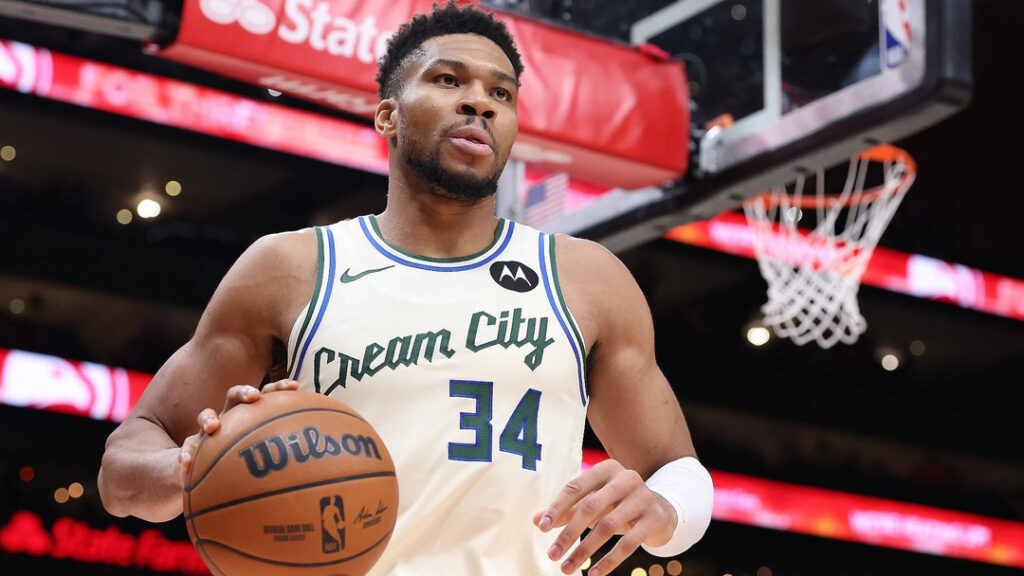
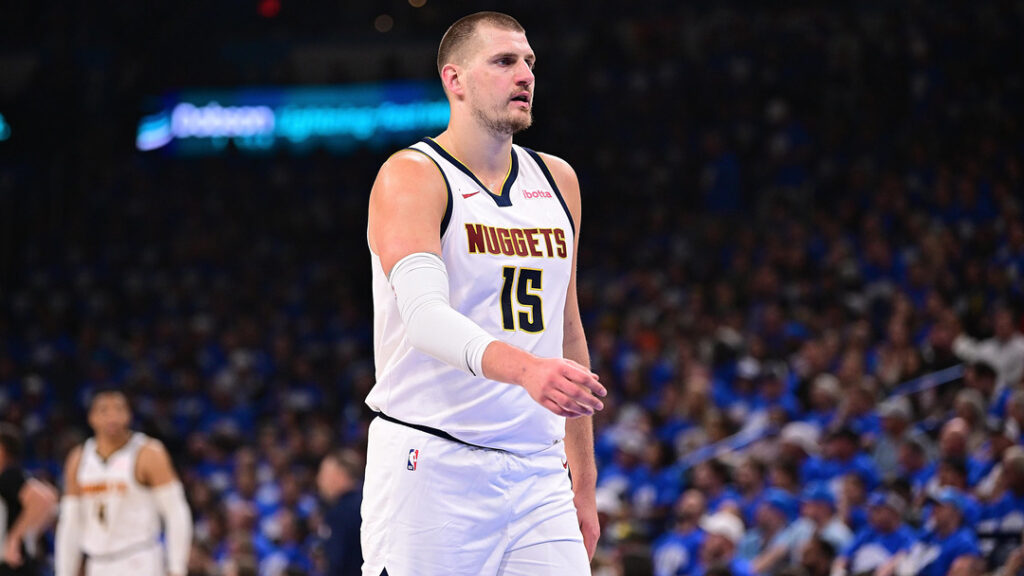
The shift toward positionless basketball is exemplified by some of the league’s top stars. Players like Nikola Jokić and Giannis Antetokounmpo have redefined what it means to play their respective positions.
Jokić, often listed as a center, functions as a primary playmaker, orchestrating offense with his passing and vision. Meanwhile, Antetokounmpo combines size, speed, and ball-handling ability to dominate in multiple facets of the game.
These players demonstrate that success in the modern NBA is less about fitting a specific role and more about maximizing a diverse skill set.
How Coaches Are Adapting to the New Style
Coaching strategies have evolved alongside player development. Modern coaches are designing systems that emphasize flexibility, encouraging players to take on responsibilities beyond traditional expectations.
Offensively, teams are utilizing five-out spacing, where all players can shoot and handle the ball. This approach creates constant movement and forces defenses to cover more ground.
Defensively, switching has become a cornerstone of modern schemes. Rather than fighting through screens, defenders can seamlessly switch assignments, maintaining coverage without compromising positioning.
This adaptability allows teams to respond to different opponents and game situations more effectively.
The Impact on Player Development
Positionless basketball is also influencing how players are trained from a young age. Instead of specializing early, athletes are now encouraged to develop a wide range of skills.
Big men are learning to shoot from long range and handle the ball, while guards are improving their defensive versatility and physicality. This holistic approach to development ensures that players are better prepared for the demands of the modern game.
As a result, the next generation of NBA talent is entering the league with fewer limitations, further accelerating the shift toward positionless play.
Challenges and Criticism of Positionless Basketball
While the benefits are clear, this style of play is not without its challenges. Critics argue that removing defined roles can sometimes lead to a lack of structure, particularly for younger or less experienced teams.
There is also the question of whether traditional skills such as post play and interior dominance are being undervalued. Some analysts believe that a balanced approach, combining versatility with specialized strengths, may be the most effective strategy.
Additionally, not every roster is suited for a fully positionless system. Teams must carefully evaluate their personnel to determine how best to implement this approach.
What This Means for the Future of the NBA
The rise of positionless basketball signals a broader shift in how the sport is understood and played. As analytics continue to shape decision-making and players become more versatile, the line between positions will continue to blur.
This evolution is likely to influence everything from roster construction to draft strategy. Teams will prioritize adaptability, seeking players who can contribute in multiple areas rather than excelling in a single role.
In the long term, this could lead to an even faster, more fluid version of the game, where creativity and skill take precedence over traditional structure.
A New Era of Basketball Strategy
Positionless basketball is more than just a tactical adjustment it represents a fundamental change in the philosophy of the NBA. By emphasizing versatility, adaptability, and skill diversity, teams are redefining what it means to succeed in professional basketball.
As the 2026 season unfolds, this approach continues to shape the league’s identity, influencing how teams play, how players develop, and how fans experience the game. While the debate over its long-term impact will continue, one thing is certain: positionless basketball is here to stay, and it is transforming the NBA in ways that were once unimaginable.
