
The 2026 NBA Cup starts on October 30, only ten days after the regular season opens. Each team gets four group games, split between two home dates and two road dates, before the field narrows to six group winners and two wild cards. That compact structure gives coaching staffs little time to hide an unstable offensive identity. A Cup loss or careless closing stretch can damage both group record and tiebreak position. The tournament should reveal which teams can create a quality shot after the first action fails. The official 2026 NBA Cup format gives those early details real weight.
Four Games Turn Early Offense Into A High-Leverage Test
The NBA released its 2026-27 schedule on August 13 with dates and opponents set for 80 of each team’s 82 games. Two games remain open from December 4 through December 10, with the matchups determined by Cup results. Group play runs through November 27, the quarterfinals are scheduled for December 4 and 5, the semifinals follow on December 8 or 9, and the championship is set for December 11 at Hinkle Fieldhouse in Indianapolis. Every Cup game counts in the regular-season standings except the championship.
Those games arrive as teams are still assigning roles and testing combinations. The first side of a possession may feature a high pick-and-roll, handoff, or empty-corner drive. The second side begins after the defense contains it. Strong offenses reverse the ball, alter the screening angle, and attack a moving shell. Weak offenses pause and ask one creator to rescue the possession.
Second Units Need Rules More Than Names
Star talent can cover structural problems for a few minutes. Bench groups rarely have that margin. A reserve unit needs clear triggers: who creates the first paint touch, who becomes the short-roll passer, who lifts from the corner, and who cuts behind a defender watching the ball. Those jobs matter more than a loose label such as “bench scorer.”
The strongest bridge lineups retain one primary creator, then surround that player with quick decisions and useful spacing. The goal is to preserve the offense’s logic. A second unit can use more split action or lean on a passing center, yet every player must know where the next advantage comes from.
Coaches must decide whether to stagger two creators, pair a young guard with a veteran screener, or use a shooting big to clear the lane. Cup games will punish groups without a repeatable route into the paint.
Point Differential Changes The Final Two Minutes
Cup tiebreakers move from head-to-head record to point differential, then total points scored, prior-season record, and a random drawing. Overtime scoring does not count toward the point-differential or total-points tiebreakers, and a Group Play game that reaches overtime receives a point differential of zero for both teams.
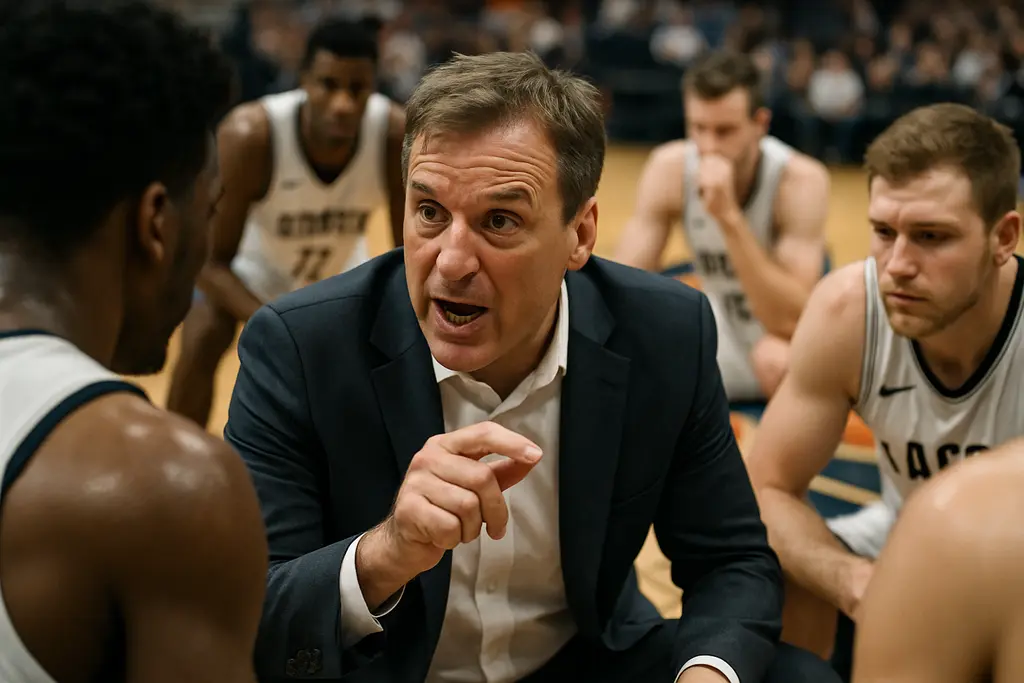
Those rules change the meaning of a late lead. A team ahead by 12 with ninety seconds left may still seek an efficient possession. The trailing team may extend pressure or hunt a quick three. Coaches need a closing package that produces sound shots without reckless basketball.
Protecting point differential is not a license for poor selection. An organized rim attempt or corner three can strengthen the margin. A contested early pull-up can hand the opponent a transition chance and erase it.
Weak-Side Spacing Becomes The Separation Point
Most Cup opponents will have enough scouting information to disrupt a favorite first action. The response often sits on the weak side. When the low defender tags a rolling center, the offense must read whether the corner should stay deep, lift toward the wing, or cut along the baseline. When the nail defender stunts at the ball, the next pass must arrive before the defense recovers.
That sequence is why pick-and-roll spacing rules matter more than formation labels. “Five-out” says where players begin, not when to use a slot exchange, 45 cut, re-screen, or skip pass. Good second-side offense forces another closeout, then attacks before the floor becomes static.
At the other end, defenses that tag the roller must x-out, scram a guard away from a post mismatch, or rotate before a corner shooter gets a clean catch. Cup games can expose lineups that communicate poorly once the opening coverage breaks.
The competition will receive broad national distribution, including 15 nationally carried Group Play games. Alabama viewers separately researching real money sports betting Alabama can keep that topic apart from the tactical evaluation. The more useful basketball question is whether a team can execute its second action, survive non-star minutes, and defend several phases of one possession.
What The Cup Can Reveal Before December
The 2026 NBA Cup will not identify every spring contender, but it can expose teams with a functional offensive hierarchy. Watch for units that maintain pace, create another paint touch after the first drive is stopped, and keep shooters available without crowding the ball.
The four-game group stage leaves little room for vague roles. Point differential adds weight to closing possessions, and knockout qualification brings pressure before most teams have played a quarter of the season. The lasting lesson may come from the teams that show how a modern NBA offense survives after Plan A has been removed.
