
NBA fan engagement in the 2026-27 season is being shaped less by a single promotion and more by the structure around the games. The league released the regular-season schedule on August 14, 2026, with 1,230 games running from October 20, 2026, through April 11, 2027. That frame matters for fans because travel windows, national broadcasts, arena arrival, and local promotions all start with the calendar. From a classic basketball historian’s chair, the schedule still looks like the old spine of the sport: dates, cities, rivalries, and recovery. The difference in 2026-27 is how many engagement decisions now sit on top of that spine.
NBA fan engagement Starts With Schedule Shape
The strongest evidence-based fan planning point is the league’s reduction in schedule friction. The NBA said the 2026-27 schedule cut average back-to-backs to 14.2 per team, with no team assigned more than 16, and removed several heavy stretches, including four games in five nights, eight games in 12 nights, and 18 games in 30 nights, according to the league’s official schedule notes. That is not a giveaway-night tactic or a social-media hook. It is a base condition that affects the quality of the event a fan buys into.
NBA fan engagement And Lower Back-To-Back Counts
NBA fan engagement benefits when the schedule gives teams a more realistic chance to present recognizable lineups and fresher play. The research does not prove that fewer back-to-backs guarantee better attendance or better game quality, so the careful reading is narrower: reduced compression gives the league, teams, and fans a cleaner planning environment. Fans booking a two-game trip, a weekend in a road city, or a family visit tied to a home game face fewer schedule clusters that feel like endurance tests.
There is a basketball reason this matters as well. The modern fan does not only buy a seat; many plan around a specific player, matchup, or national window. Lower schedule density cannot remove injuries, rest decisions, or late roster changes. It can, however, lower one known pressure point. That is a practical form of fan service, even if it is less visible than a halftime show.
Final-Day Synchronization As A Planning Signal
The final day of the regular season also shows how scheduling can serve competitive balance and audience clarity at the same time. All 30 teams are scheduled to play on Sunday, April 11, 2027, with no games on April 10. Eastern Conference and interconference games are set for 6 p.m. ET, while Western Conference games are set for 8:30 p.m. ET. For fans, that creates a clean endpoint to the regular season. For the league, it reduces the problem of staggered information in late playoff races.
That kind of design is easy to overlook. Old standings chases had their charm, and any player biographer knows the drama of scoreboard watching. Yet coordinated timing gives ticket holders, broadcasters, and local markets a clearer closing act. It also gives travel planners a fixed date that can be promoted with confidence months in advance.
Digital Discovery Meets Trip Planning
Digital tools are now part of the route from interest to attendance. The research notes that the league introduced Game Pulse for live-updating highlights, stats, insights, and visual court rendering. It also introduced Ask NBA, an AI-powered assistant for real-time queries on statistics, trending topics, and player performance. These tools speak to a key shift: NBA fan engagement is no longer contained by the arena doors or the broadcast slot.
From Schedule Release To Calendar Holds
The most practical digital feature for travel may be the full NBA calendar that fans can add to personal digital calendars through nba.com/calendar, including links to where games can be viewed. Discovery also extends to social platforms, with “Tap to Watch” links set to appear on TikTok posts using #NBA and in content from creators with highlight access. For planners, the important point is not novelty. It is fewer steps between noticing a game and organizing around it.
This is where a fan trip can begin earlier than it once did. A nationally exposed game on ABC/ESPN, NBC/Peacock, or Prime Video may first reach a casual fan through a clip, then move to a calendar save, then become a travel conversation. That path does not guarantee a ticket sale. It does reduce the distance between attention and action.
What Digital Tools Can And Cannot Fix
Digital tools cannot solve high travel costs, limited hotel supply, or a difficult arena commute. They also cannot replace a competitive game. Their value is informational. They help fans track dates, viewing options, and storylines without relying on scattered searches. For a league with 1,230 regular-season games, that filtering function matters.
One caution is worth stating. More information does not automatically mean better engagement. If alerts, highlights, and AI responses become noise, the planning value weakens. The best use case is focused: help the fan understand which games fit a schedule, a budget, and a basketball interest. Related sports-trip analysis on NBA travel impact makes the same larger point: the calendar, city demand, and local spending are connected.
Promotions And Building-Level Experience
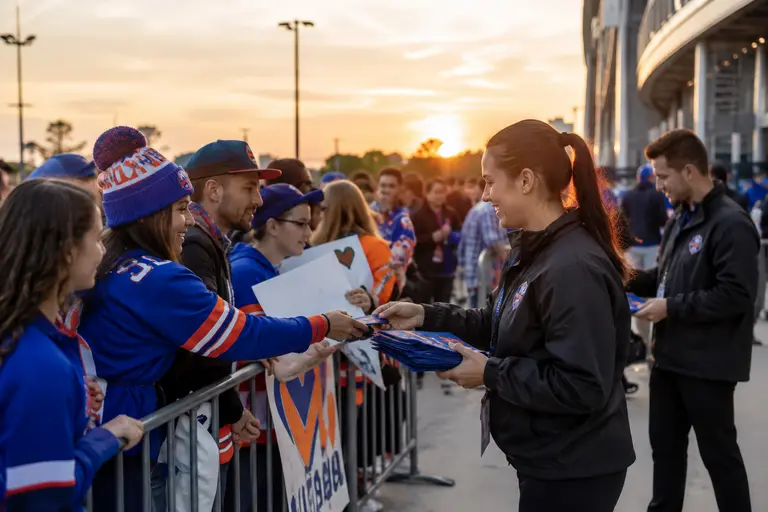
The 2026-27 season also shows that the in-person event is being shaped at two levels: the building and the local promotional calendar. Arena upgrades, premium hospitality, theme nights, and giveaways all aim at the same challenge. Fans need the event to feel worth the time around the game, not only the two and a half hours of basketball.
G League Theme Nights As A Local Model
The Austin Spurs offer a useful smaller-market example. The team announced that each 2026-27 home game includes a theme night, special event, or community initiative. Its Opening Night was scheduled for November 8, 2026, with Fan Fest elements including face painting, food specials, and a reversible jersey giveaway, according to the team’s official promotional schedule. This is a clear fan development model: attach a reason to choose a specific date.
For the G League, that logic is especially direct. The product often depends on local identity, player development interest, family affordability, and community access. A promotion tied to every home game does not make each night equally attractive, but it gives sales staff and community partners a defined message. That has planning value for schools, youth teams, civic groups, and families.
Arena Hospitality And City Identity
The research also notes building-level upgrades around the league, including phase three of a multi-year, $150 million-plus renovation at Barclays Center before the 2026-27 season. Reported changes included a reworked Main Atrium and box office, a new American Express entrance and lounge, and new art installations. The fan-facing pattern is clear: arrival and hospitality are now part of the product.
Food and premium service fit the same pattern. Research notes that Philadelphia and six other arenas served by Aramark Sports + Entertainment introduced locally inspired, personalized fan experiences for the season, including hospitality and culinary partnerships shaped by each city and franchise. Those efforts are not basketball tactics, but they affect how fans judge a night out. For visitors comparing broader hospitality ideas around sports travel, Bass Lake Roadhouse provides a useful reference point in the same network for how food, place, and gathering shape leisure decisions.
- Schedule design helps fans choose dates with fewer fatigue-related warning signs.
- Digital calendar tools reduce friction between interest and planning.
- Theme nights give local fans a concrete reason to pick one game over another.
- Arena arrival, food, and premium spaces shape the value of the full outing.
NBA fan engagement Strategy For 2026-27
NBA fan engagement in 2026-27 is best read as a chain. The schedule sets the conditions. Digital tools help fans find and track games. Arena upgrades shape the first and last impression. Promotions give local markets a reason to turn a game into a planned outing. No single link carries the full weight.
The careful takeaway is that the league and its teams appear to be treating planning as part of engagement, not as an afterthought. Reduced back-to-backs, no listed extreme schedule stretches, a synchronized April 11, 2027 finish, and more direct digital discovery all support that reading. The evidence does not show which single tactic will produce the strongest attendance or revenue result. It does show a coordinated effort to make the fan’s path easier to understand.
For basketball lifers, that is a meaningful change without erasing the sport’s older rhythms. The game still comes down to five players, a clock, and a crowd reading the moment. What changed in 2026-27 is the amount of planning architecture built around that moment. The teams that connect schedule clarity, local identity, and building experience most effectively should have the cleanest fan proposition across the season.
