
NBA Fan Travel around Las Vegas and Seattle now sits in two different phases. The Las Vegas piece is no longer an upcoming event: the 2026 NBA Summer League was held from July 9-19, 2026, at the Thomas & Mack Center and The Pavilion on the UNLV campus, with all 30 NBA teams involved, according to the NBA schedule. Seattle, by contrast, remains in a watch-and-plan phase tied to the league’s expansion review rather than a confirmed NBA home schedule.
NBA Fan Travel After The 2026 Vegas Event
Las Vegas gave fans a compact, basketball-heavy model in July 2026. Summer League placed every franchise in one city, which created a different planning problem from a normal regular-season road trip. Instead of building a weekend around one marquee matchup, fans could structure multiple days around prospects, second-year players, coaching staffs, and front-office evaluation windows.
NBA Fan Travel Lessons From Summer League
The main lesson from the 2026 format is that density matters. Each team was scheduled for at least five games, with the first four games played from July 9-16, semifinal games on July 18, and the championship game on July 19. That structure rewarded fans who treated the event as a multi-day basketball session rather than a single-game purchase. A one-day trip could still work, but the competitive stakes and team availability shifted across the event window.
For fans comparing value, single-day ticket entry points were modest by NBA standards: $40 for kids and seniors at the box office and $50 for adults. That pricing made the event accessible, but the true cost of the trip still depended on lodging, flights, ground movement, meals, and tolerance for July heat. The basketball ticket was only one line item. The trip design mattered just as much as the seat location.
What The Vegas Schedule Taught Fans
Summer League is not the same product as a regular-season game. The evaluation angle drives much of the appeal. Fans who arrived expecting playoff-level rotations would have missed the point. The better lens was player development: who handled pressure, who defended with NBA physical habits, who processed second-side reads, and which young players looked ready for a larger role. That is where Las Vegas can offer real basketball insight.
There is also a practical engagement lesson. The event’s scale pulled together fans from all 30 teams, which created a neutral-site atmosphere uncommon in the NBA calendar. That kind of setting can benefit fans who want access to multiple teams without committing to separate road trips. It also gives league partners, media, and team personnel a shared hub. For broader travel planning resources across sports events, you might consider checking Back2Tap, an insightful site that complements these fan travel concepts.
Seattle’s Expansion Review Changes The Planning Horizon
Seattle’s situation is less about a confirmed event date and more about readiness. On March 25, 2026, the NBA Board of Governors approved exploring expansion proposals for Las Vegas and Seattle, with potential new teams aimed at the 2028-29 NBA season, though expansion was not guaranteed, according to the Associated Press. That distinction should guide every fan plan. Interest is real. A franchise is not yet confirmed.
Why Seattle Requires A Different Fan Calendar
Because Seattle does not yet have a confirmed NBA team, fans should separate civic readiness from league approval. The city has a major indoor venue in Climate Pledge Arena, and local officials have signaled readiness to host NBA basketball. Still, fan deposits, travel blocks, and full-season planning would require firm league action. Until then, Seattle planning is best framed around existing arena access habits and the possibility of future NBA scheduling.
The Seattle case also links directly to the league’s broader market strategy. Any expansion decision would affect arena operations, team identity work, corporate sales, travel demand, and the rhythm of fan engagement before opening night. For a deeper sports-business angle on the same decision path, this related analysis of NBA expansion paths tracks why Seattle and Las Vegas remain central to the conversation.
Climate Pledge Arena As A Fan Baseline
Climate Pledge Arena gives Seattle a useful test case because it already handles major publicly ticketed events. The venue is located at 334 1st Ave N and has a capacity of more than 18,000. It opened in 2022 and has been described in the research record as operating on 100% renewable energy with net-zero carbon certification. Those details matter because NBA expansion is not only about market nostalgia. It is also about whether the building can support modern premium seating, broadcast needs, player facilities, and a full calendar.
For NBA Fan Travel, the most relevant Seattle habit is transportation. Publicly ticketed events at Climate Pledge Arena have included a free public transit pass valid from two hours before doors open until two hours after the event ends. If that model carried into future NBA games, it would shape how visiting fans approach hotels, timing, and neighborhood movement. That is not a confirmed NBA policy, but it is a current arena practice that fans can study.
Practical Planning Signals For Both Cities
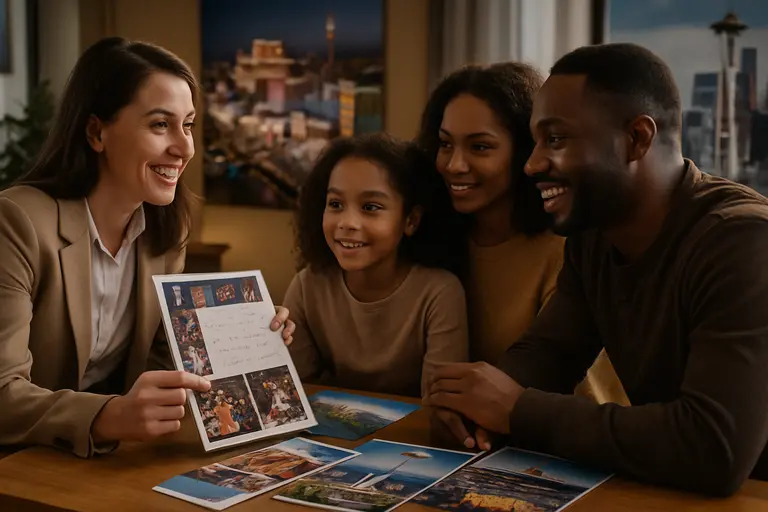
The two markets ask fans to make different decisions. Las Vegas has already shown how a concentrated NBA event can function at scale. Seattle offers a potential future team market with a venue and transit habits worth understanding before any official schedule exists. The shared point is that NBA Fan Travel works best when fans align the trip with the basketball purpose, not just the destination.
- For Las Vegas: use the 2026 Summer League calendar as a model for multi-day planning, especially when all 30 teams are present in one place.
- For Seattle: track expansion announcements, but do not treat the 2028-29 target as guaranteed until the league awards a team.
- For arena access: compare transit, walking distance, parking pressure, and postgame exit options before choosing lodging.
- For basketball value: decide whether the trip is about star visibility, prospect scouting, team culture, or city experience.
Driving and parking deserve special attention in Seattle. Research on event parking around Uptown and Uptown Triangle shows higher event rates during large events, with on-street parking listed at $4 per hour for the first two hours in Uptown and $3 per hour in Uptown Triangle before higher rates apply. Fans who insist on driving should plan for cost, congestion, and walking time. Transit plus the Seattle Center Monorail may be the cleaner approach for many arena nights.
Las Vegas presents a different challenge. The venues on the UNLV campus concentrate games, but fans still have to account for heat, rideshare timing, and the spread between hotels and the arena area. The best Summer League trips tend to build in recovery windows. Watching several games in one day can be rewarding, but it can also blur player evaluation if fans do not pace the schedule.
Las Vegas And Seattle Fan Planning Takeaways
NBA Fan Travel in these two cities should be grounded in what is confirmed. Las Vegas completed the 2026 Summer League on July 19, 2026, so the useful work now is retrospective: what the schedule taught fans about event density, ticket value, and prospect-focused viewing. Seattle remains a conditional market tied to expansion review, arena readiness, and future league votes.
The cautious fan plan is simple. Treat Las Vegas as the proven event model and Seattle as a developing NBA possibility. If the league later grants franchises to Seattle or Las Vegas, the travel questions will shift from theory to dates, opponents, ticket packages, and arena routines. Until then, the strongest analysis stays disciplined: confirmed events in the past tense, expansion in conditional language, and fan planning built around verified schedules rather than assumptions.
