

In the adrenaline-fueled world of NBA basketball, a controversial finish is almost as certain as the excitement itself. The Boston Celtics’ recent hard-fought loss to the Indiana Pacers not only gripped fans with its intensity, but it also left a mark due to post-game remarks from Celtics head coach Joe Mazzulla. Responding to mounting frustration over officiating, Mazzulla garnered headlines and stirred debate by pointedly repeating a single one-liner in his post-game comments. This article delves into what happened, why it matters, and the growing conversation around NBA refereeing, including insights from California sports betting guides for fans tracking game outcomes and predictions.
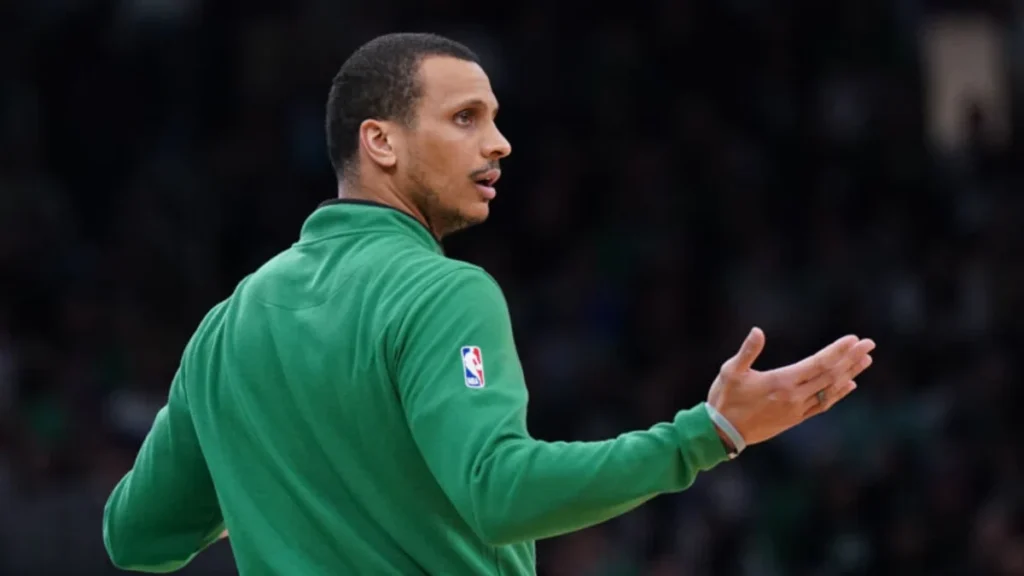
Celtics Versus Pacers: A Game Overshadowed by Controversy
The game between the Boston Celtics and the Indiana Pacers promised drama, but few could have expected just how gripping the fourth quarter would be. Both teams traded leads, the crowd was on edge, and playoff implications lingered with every possession. However, what should have been a celebration of outstanding talent and resilience instead became enveloped in controversy due to a series of questionable officiating decisions down the stretch.
Several calls left both fans and players baffled—from perceived missed fouls to contentious out-of-bounds rulings. The culmination of these disputes ultimately tilted the narrative from the competition on the court to the officials tasked with presiding over it. The Celtics, fighting for seeding and postseason confidence, felt especially aggrieved, believing critical moments were wrongly decided—emotions that were only amplified by what happened after the final buzzer.
Joe Mazzulla’s Viral One-Liner: “Ask the Referees”
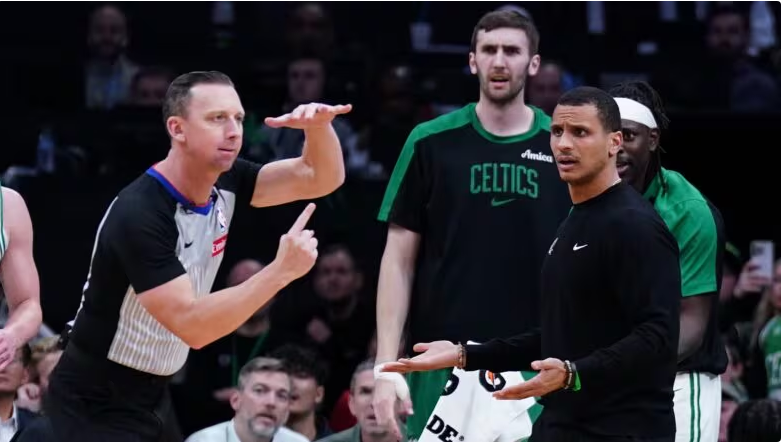
After the loss, all eyes turned to Joe Mazzulla for an explanation and perhaps some candor about where things went wrong. Instead of a lengthy breakdown or impassioned defense of his team’s effort, Mazzulla repeatedly responded to questions regarding specific plays, calls, and overall officiating with a simple: “Ask the referees.”
This one-line refrain, unwaveringly delivered regardless of the question’s angle or detail, quickly went viral across social media and was replayed on sports networks. The repetition was not just about frustration—it was a calculated act of protest. By refusing to offer specifics, Mazzulla drew attention to his perception of officiating inconsistencies while skirting potential fines for overt criticism. His message was clear without violating NBA conduct policies regarding public comments about officials.
The NBA’s Strained Relationship with Officiating
Mazzulla’s comments don’t exist in a vacuum. Across the league, frustrations with inconsistent officiating have become a recurring storyline this season. Coaches, players, and fans alike have voiced their concerns—sometimes openly, often through subtle or indirect means similar to Mazzulla’s approach.
The Celtics themselves have been involved in several tightly contested games this season where refs’ decisions have loomed large. With playoff positioning at stake, every whistle is magnified in its importance. Analysts continue to debate possible improvements, including greater transparency, use of advanced replay systems, and even more accountability for referees.
Impact on Celtics’ Locker Room and Fan Base
Inside the Celtics’ locker room, Mazzulla’s stance galvanized his players. By redirecting blame or focus, he allowed his team to vent frustrations without risking backlash or distraction. Star players like Jayson Tatum and Jaylen Brown offered their usual postgame comments, recognizing both their own lapses and the sting of contentious decisions, but notably, none openly defied their coach’s low-profile approach to the topic.
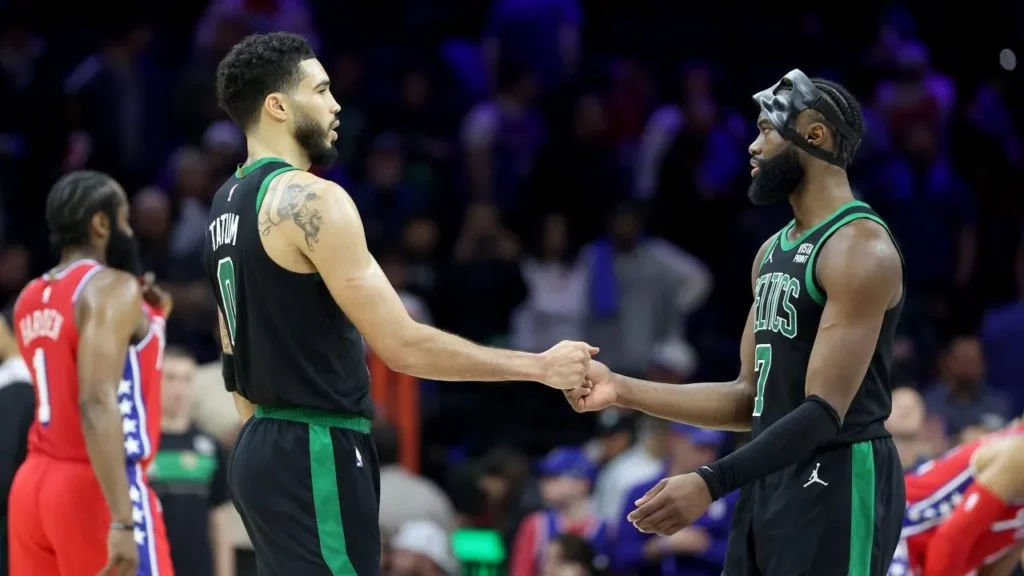
Fans, on the other hand, took to social media with mixed reactions—some praising Mazzulla’s tactful defiance, others longing for a more direct confrontation of perceived injustices. The phrase “Ask the referees” began trending, used both in jest and as a rallying cry among Celtics faithful.
The Power and Purpose of the One-Liner
Why did Mazzulla choose to repeat that single phrase? In high-pressure moments, coaches often walk a fine line between supporting their team and not incurring the league’s wrath. Mazzulla’s one-liner served several purposes:
- Drawing Attention Without Repercussion: His message about referee accountability was received loud and clear, but NBA fines (often handed out for explicit criticism) were avoided.
- Protecting His Players: By taking ownership of postgame comments, he shielded players from the potential for costly or distracting controversies.
- Focusing the Narrative: By refusing to expand or give in to reporters’ attempts to get a headline, Mazzulla forced everyone—media and fans alike—to pause and reflect on officiating standards.
This tactic has precedent; coaches in various professional sports have used repeated or cryptic responses to underscore disagreement with authority figures or to emphasize a perceived need for change.
The Broader Debate: Should NBA Referees Be Held More Accountable?
The controversy raises a larger question echoing inside NBA circles: Should referees be subject to more public scrutiny and accountability? Calls for greater transparency—such as releasing full explanations for pivotal decisions—are growing louder. The NBA’s Last Two Minute Reports, which address officiating in the final moments of close games, provide some insight but are often deemed too little, too late.
Coaches like Mazzulla—and fans—aren’t just complaining; they’re advocating for evolving standards that match the stakes and spectacle of modern basketball.
What’s Next for Boston and the League?
The NBA, aware of mounting pressure, may be compelled to review and update their officiating protocols, particularly as playoff intensity escalates and the line between winning and losing narrows. For the Celtics, turning the page quickly is essential; they remain in the thick of postseason battles where each possession holds massive significance.
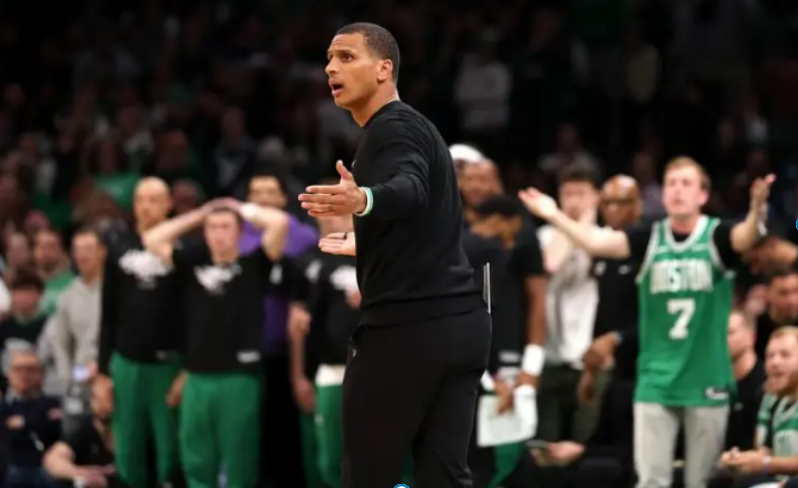
As for Joe Mazzulla, his sharp, pointed response will resonate for games to come—a symbol of frustration, unity, and the never-ending quest for fairness in basketball.
Accountability and the Pursuit of Fair Play
While Celtics fans and players may feel stung by the result against the Pacers, the dialogue sparked by Mazzulla’s one-liner advances a necessary conversation about officiating and accountability in the NBA. If nothing else, it reinforces the importance of fairness—on the court and in the ruling of the game—all while highlighting that in the modern media era, even a few simple words can set the sporting world abuzz.
