

Celtics Bench Strength became a central strategic question for Boston after the July 6, 2026 trade that sent Jaylen Brown to Philadelphia for Paul George, two first-round picks, and two second-round picks, a deal reported by NBA.com. Brown’s exit did not just remove an All-Star wing. It changed how the Celtics must build second-unit offense, stagger creators, and protect Jayson Tatum from carrying every late-clock possession.
Why Celtics Bench Strength Changed
The Trade Set A New Math
The most direct roster effect is obvious: Boston no longer has Brown as a primary downhill scorer, transition finisher, and switchable wing stopper. Paul George gives the Celtics a veteran wing with shooting, defensive experience, and on-ball skill, but the fit has to be measured through role balance rather than name value alone. If George starts, the bench loses one possible stabilizer. If Boston staggers him with second-unit groups, the starters may need more creation from Derrick White and Payton Pritchard.
That is where Joe Mazzulla’s reported emphasis on White and Pritchard matters. The Celtics’ offense after Brown cannot be a simple one-for-one replacement model. Brown generated pressure through strength and direct attacks. Pritchard creates more through tempo, pull-up shooting, and passing rhythm. White can connect actions, defend guards, and punish tilted defenses. The shift asks Boston to win more possessions by spacing and decision speed, not just by overpowering matchups on the wing.
Celtics Bench Strength And Ball Movement
Celtics Bench Strength now depends on how consistently the second group can produce quality shots without becoming too dependent on Tatum isolations. The 2025-26 team had a useful baseline: Boston’s bench outscored opposing benches in 16 of 24 evaluated games, according to the team’s March 2026 miscellaneous stats. That 16-8 mark does not guarantee repeatability after a major trade, but it does show that Boston had already built a bench capable of winning its minutes in many matchups.
The task in 2026-27 is different. Last season’s bench advantage existed around a roster with Brown still attached to the main scoring structure. This version needs more independent creation from smaller guards, more accurate spot-up work from young wings, and more interior finishing from backup bigs. For broader sports coverage across the same network, our partner site noticiasbo.com tracks related developments beyond the NBA lens.
Preseason Signals From The Second Unit
González’s Scoring Flash
October 2026 preseason results gave Boston a first look at several bench options. Hugo González averaged 14.5 points in roughly 20.3 minutes across four games, shooting .633 from the field and .550 from three. His peak came on October 16, 2026, against Philadelphia, when he scored 21 points with four rebounds, three assists, and 3-for-7 shooting from deep in about 20 minutes. Preseason efficiency can mislead because rotations are unstable and defensive scouting is lighter, but the shot profile still matters. González showed he could score without needing a starter-level usage share.
The cautious read is that González should not be treated as a finished rotation answer after four preseason games. The more useful takeaway is role clarity. If he can run the floor, space from the corners, and attack closeouts, he gives Boston a bench wing who does not need the offense tilted toward him. That matters for a team replacing Brown’s pressure by committee.
Walsh And Scheierman Compete For Trust
Jordan Walsh and Baylor Scheierman also sat in the mix for bench minutes during the preseason. Both played around 19 minutes per game and averaged about eight points. That production does not separate one from the other on its own. The real question is which player gives Mazzulla the cleaner possession-to-possession fit: Walsh with defensive activity and wing size, or Scheierman with shooting feel and offensive spacing.
Boston’s recent roster-building has often valued players who can survive in playoff spacing. A bench wing who cannot shoot is easier to scheme against. A bench wing who cannot defend is harder to keep on the floor against elite creators. The Celtics need one of those young wings to become dependable enough that George, Tatum, White, and Pritchard are not asked to cover every perimeter function.
Center Depth And Frontcourt Cover
Garza, Robinson And Queta
The frontcourt picture looks deeper than a simple starter-backup split. Neemias Queta appeared positioned to start at center based on the preseason roster read, with Mitchell Robinson and Luka Garza behind him. Robinson averaged six rebounds in about 15.5 preseason minutes. Garza supplied stronger scoring production, averaging about 14.3 points and six rebounds in roughly 17.5 minutes.
Those numbers point to different use cases. Robinson’s rebounding fits lineups that need vertical size and second-chance prevention. Garza’s scoring gives Boston a change-of-pace option, especially if second-unit spacing opens pockets near the elbows or short roll. Queta’s role depends on whether he can screen, protect the rim, and avoid foul trouble while playing with Boston’s top perimeter players.
Celtics Bench Strength is less about having three centers with identical roles and more about matchup flexibility. Against bigger teams, Robinson’s rebounding can stabilize the glass. Against bench units that concede post touches or late switches, Garza can provide offense. Against lineups built around speed, Mazzulla may still prefer smaller combinations if the center rotation cannot defend in space.
How Boston Can Replace Brown’s Pressure
Guard Creation Versus Wing Creation
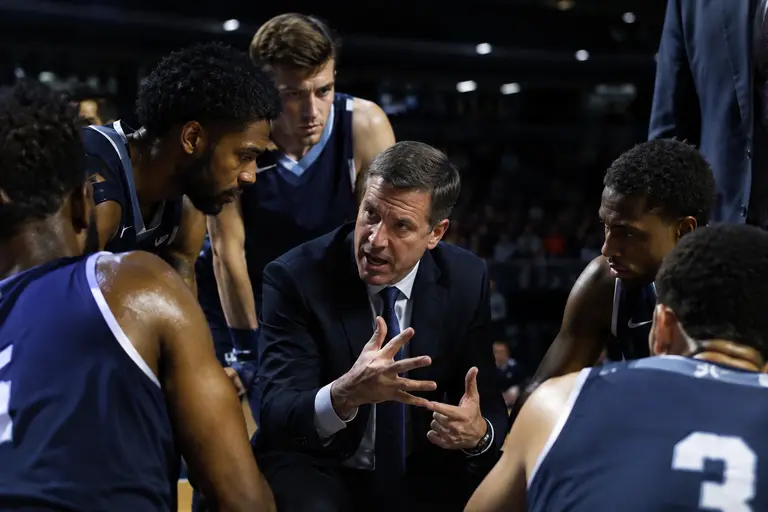
Payton Pritchard’s preseason passing stood out. He averaged a team-high nine assists per game early in October 2026 preseason play, a sign that Boston was testing him in a larger offensive role. That adjustment makes sense after Brown’s departure, but it changes the geometry of the offense. Brown bent defenses with size. Pritchard bends them with pace, shooting threat, and quick reads.
There are tradeoffs. Smaller guard creation can be efficient when the floor is spaced and screeners make contact. It can stall against switching defenses if the screener does not force a second defender to react. Boston’s bench units need enough shooting around Pritchard to punish help, and enough rim pressure from bigs or wings to keep defenders from staying attached at the arc.
This is why Boston’s post-trade depth should be judged in layers. George can absorb high-value wing possessions. White can organize mixed starter-bench groups. Pritchard can lead tempo-driven units. González, Walsh, Scheierman, Garza, Robinson, and Queta each offer pieces of the bench puzzle. The question is not whether one player replaces Brown. The question is whether the combined rotation can replace the variety of problems Brown created for opponents.
The Roster-Building Lesson
The Brown deal also fits a wider league pattern: star trades can raise top-end talent in one area while creating stress in rotation balance. Boston received draft capital and George, but it also reset the bench hierarchy. For a related roster-depth frame, our analysis of blockbuster roster depth explains why star movement often shifts pressure toward the eighth, ninth, and tenth players.
That principle applies here. Boston’s best lineups may still be strong because Tatum, White, George, and Pritchard can all make shots and process the floor. The regular season, though, asks different questions. Can young wings hold leads while starters rest? Can the backup centers keep the glass from swinging games? Can Pritchard organize possessions without overextending himself defensively? Those answers will define how much margin Boston has on nights when the three-point shooting cools.
Celtics Bench Strength After Brown
Celtics Bench Strength after Brown should be evaluated with restraint. The preseason offered encouraging signs from González, Garza, Pritchard, Walsh, Scheierman, Robinson, and Queta, but the sample was small. The stronger evidence from 2025-26 showed that Boston’s bench had already been capable of winning many matchup stretches. The challenge is whether that structure survives after a trade that removed one of the league’s more forceful two-way wings from Boston’s rotation.
The path is clear enough. Pritchard has to turn increased responsibility into efficient offense rather than just higher volume. White has to remain a stabilizer across lineups. George must give Boston enough wing scoring and defensive control to reduce the loss of Brown’s minutes. González and the young wings need to turn preseason flashes into repeatable role play. The center group must give Mazzulla more than fouls and emergency minutes.
That is the real standard for Celtics Bench Strength in the post-Brown build. Boston does not need every reserve to break out. It needs defined jobs, low-mistake minutes, and enough scoring variety to keep Tatum from facing loaded defenses every night. If the bench can supply that, the Celtics’ roster change becomes manageable. If not, the Brown trade will be felt most sharply in the minutes when Boston’s stars sit.
