

The Charlotte Stadium Renovation is best understood as a fan-experience project before it is judged as an architectural statement. Bank of America Stadium is being reshaped for two regular tenants, the Carolina Panthers and Charlotte FC, plus a broader event calendar. The reported price now sits at $1.3 billion, with changes aimed at the basic rhythms of a game day: where fans sit, how they move, what they see on screens, how they hear announcements, and how long they choose to stay inside the venue.
What The Charlotte Stadium Renovation Changes
Charlotte Stadium Renovation Timeline
The project is a multi-year build, not a single offseason refresh. Full completion is expected by 2030, while fan-facing public and amenity improvements are expected to begin in early 2027. The construction plan has been described as phased so the building can keep hosting Panthers and Charlotte FC matches during the work, according to the Bank of America announcement.
That phasing matters in sports operations. A stadium that remains active while being upgraded has to protect event-day flow, security screening, broadcast needs, team spaces and premium inventory. The public benefit will arrive in stages rather than all at once. For fans, that means the experience may improve unevenly by section, level or season until the 2030 target date.
The $1.3 Billion Funding Picture
The project cost increased from an originally proposed figure of about $800 million to $1.3 billion. The plan includes a $500 million contribution from Tepper Sports & Entertainment and $650 million from the City of Charlotte, as reported by Sports Business Journal. For a publicly visible venue project, the fan-facing test is direct: do the upgrades improve comfort, access and event quality enough to be felt by regular ticket holders, not only suite buyers?
The answer will depend on execution. Replacing seats, rebuilding gathering areas and widening the stadium’s event use can support a stronger product. Yet the value to the average fan will be measured in shorter lines, better sightline consistency, clearer sound and easier movement through the building.
Seats, Screens And Sound For Event Days
A Full Bowl Refresh
One of the most direct changes is the plan to replace every seat in the bowl. Seat replacement is not glamorous, but it affects every ticketed event. Older seats can shape how fans judge legroom, comfort, cupholder placement and ease of entry through rows. The research available does not specify final seat dimensions or capacity effects, so any claim about more space per person would be premature.
The Charlotte Stadium Renovation also includes a full audio-visual overhaul, including new scoreboards, displays, video signage and upgraded sound. That combination has become central to modern football and soccer presentation. In the NFL, replay angles, third-down prompts, fantasy updates and league messaging run through stadium boards. In MLS, video boards and sound systems help frame pre-match ceremonies, substitutions and late-game tension.
Why AV Matters For Two Teams
Bank of America Stadium has a dual identity. Panthers games and Charlotte FC matches do not use the same pacing, crowd cues or presentation style. Football has frequent stoppages, longer commercial windows and more set-piece entertainment. Soccer asks the building to support longer stretches of continuous play, supporter-section energy and less interruption.
A stronger AV system can serve both if it is used with restraint. Better sound can make safety announcements clearer. Larger and sharper displays can reduce confusion for fans seated far from the action. Video signage can also help with wayfinding and sponsor inventory. The risk is overproduction. A better building experience is not always a louder one, especially for soccer crowds that generate their own rhythm.
Social Space And Hospitality Become Core Assets
The 500-Level Patio Signal
New indoor-outdoor gathering spaces are planned across all levels, including a 500-level social patio with skyline views of Uptown Charlotte. That detail says a lot about where stadium design has moved. Fans are no longer treated only as people assigned to fixed seats for three hours. Teams now design buildings to support movement, social viewing and pregame or halftime congregation.
For upper-level fans, the key question is whether these areas feel like real amenities or overflow zones. If the 500-level patio is easy to reach, has enough service points and gives fans a reason to linger without missing too much action, it could raise the value of less expensive tickets. If it creates congestion, the gain will be narrower.
The Indoor Venue Adds Non-Game Inventory
The renovation plan also introduces a new 4,400-seat indoor performance venue, planned to open by 2029 and host 80 to 100 events annually. On Panthers and Charlotte FC dates, that space is expected to support enhanced hospitality. On non-game dates, it gives the stadium district another use that is not tied to the NFL or MLS calendar.
That is a sports-business move as much as a fan amenity. Stadiums are expensive assets that sit unused too often. A smaller indoor venue can fill gaps between major events, create sponsorship value and keep staff, vendors and nearby businesses connected to the building throughout the year. The Charlotte market already has major sports and entertainment competition, so programming quality will determine how much this venue changes the broader district.
Access, Food And The Building Around The Bowl
Concourses, Restrooms And Wayfinding
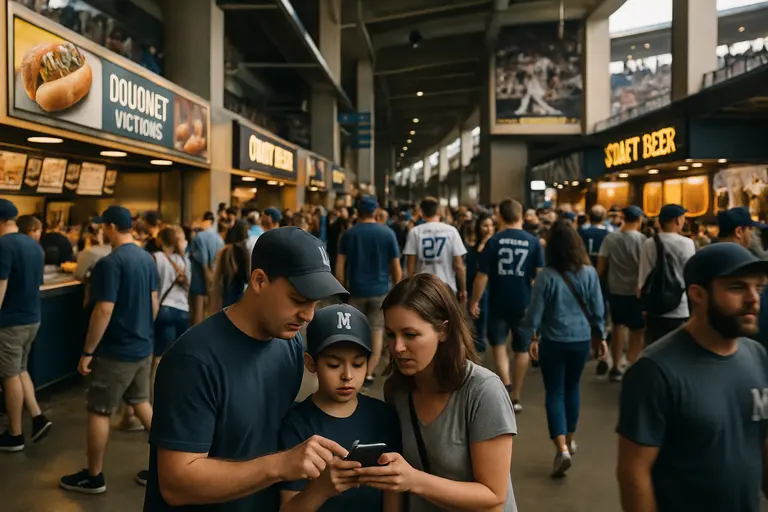
The renovation plan calls for increased restroom capacity, redesigned concourses and social areas, improved ingress and egress, wayfinding lighting, safety upgrades and enhanced accessibility features for people with a range of disabilities. These are not minor details. For many fans, the worst stadium memories are not about the final score. They are about being stuck in a packed concourse, missing a key play while waiting for a restroom, or struggling to find an accessible route.
Food and beverage plans include more diversified options, an expanded team store and programs influenced by local vendors from across the Carolinas. That approach fits a wider shift in sports venues: food is now part of local identity. A stadium menu that feels connected to the region can make repeat visits more appealing, especially for fans who attend both football and soccer events.
Arrival Experience And Sports Tourism
Exterior plans include replacing much of the concrete façade with glass walls, improving landscaping and pedestrian pathways, and using illuminated crown lighting tied to Charlotte’s Queen City identity. Those changes affect the first and last impression of an event. Stadium approach routes, lighting and open pedestrian space shape whether fans feel rushed, boxed in or invited into the district.
Venue experience also stretches beyond football and soccer. Regional sports travel often connects stadium visits with golf courses and other attractions, which is why properties such as Copeland Hills Golf are significant within the broader fan-travel economy. Bank of America Stadium’s upgraded exterior and year-round event plan could make it a stronger anchor for those multi-stop trips, though the exact tourism effect cannot be known before completion.
Charlotte Stadium Renovation Fan Impact
Measured Gains And Open Questions
The most credible case for the project rests on practical gains. New seats should improve baseline comfort. Better boards and sound should improve information delivery. More gathering areas should give fans options beyond sitting in one place. More restrooms, clearer wayfinding and improved accessibility should reduce friction. Those changes are especially relevant for a building that must serve NFL crowds, MLS crowds and non-sports events.
The open questions are just as real. The research does not provide final seating dimensions, concession pricing, complete construction sequencing by section or detailed accessibility specifications. It also does not say how much disruption fans should expect during each phase. Without those details, the safest reading is that the plan has strong fan-experience intent, but the public will judge it through event-day results.
The Charlotte Stadium Renovation gives Bank of America Stadium a path to remain useful without replacing the building outright. As of September 1, 2026, the strongest supported take is cautious: the project targets the right pain points, from seats and sound to concourses and social space, but its success will be proven only as phases open between early 2027 and the expected 2030 completion.
