
Central Division Coaching changed in only two places entering the 2026-27 NBA season, but those two moves carry a larger cultural question. Chicago hired Tiago Splitter on June 16, 2026, and Milwaukee hired Taylor Jenkins on April 30, 2026, while Indiana, Detroit, and Cleveland retained their head coaches, according to the NBA coaching tracker. That creates a useful contrast: two organizations are trying to reset habits from the bench, and three are betting that continuity still gives them the best internal rhythm.
Coaching changes are often reduced to schemes, rotations, or late-game play calls. Those pieces matter, but the off-court layer may matter more for teams in transition. A new coach decides how practices sound, how veterans are challenged, how young players earn trust, and how the team reacts when losses start to stack up. For a broader tactical frame around the league’s bench movement, this site’s NBA coaching changes analysis offers related context. This piece stays with the Central Division and the cultural stakes attached to Chicago and Milwaukee.
Central Division Coaching Reset
Central Division Coaching Changes By Team
The Central Division did not experience a full coaching turnover. The Bulls and Bucks changed head coaches. The Pacers, Pistons, and Cavaliers kept theirs in place. That split is useful because it prevents a simple division-wide narrative. Not every team is trying to solve the same problem. Some are trying to preserve systems already in motion. Chicago and Milwaukee, by contrast, made visible leadership changes before the 2026-27 season.
In Chicago, the shift from Billy Donovan to Splitter was paired with a front-office change, as Bryson Graham was installed as executive vice president of basketball operations early in the offseason. That matters because coaching culture rarely survives if basketball operations sends mixed signals. A coach can speak about habits, standards, and player growth, but the roster plan and organizational patience must match that language.
Why Culture Is The Main Variable
Central Division Coaching is less about a slogan than a daily environment. The Bulls and Bucks are not simply hiring sideline tacticians. They are giving new voices the power to define what is acceptable inside the building. Timeliness, practice intensity, communication, accountability, and body language all become part of the competitive product, even if they do not show up directly in a box score.
The caution is that culture cannot be declared into existence. It has to be enforced consistently and accepted by the locker room. A coach may arrive with clear principles, but those principles get tested by minutes disputes, losing streaks, injuries, and the gap between veteran expectations and developmental needs.
Chicago’s Splitter Hire And Daily Standards
Splitter’s Portland Clues
Chicago hired Splitter after a season in which he led Portland to a 42-40 record in 2025-26 after taking over mid-season, with the Trail Blazers finishing as the No. 7 seed in the Western Conference. The Bulls’ official announcement also cited Portland ranking second in offensive rebounds, sixth in total rebounds, and seventh in 3-pointers made during that season under his watch Bulls announcement. Those facts do not guarantee a direct translation to Chicago, but they do offer clues about the habits his teams may value.
Rebounding numbers often reflect more than size. They reflect effort, assignment clarity, and a willingness to do repetitive work. Three-point volume can reflect spacing, pace, and player trust. If those pieces carry into Chicago, the Bulls’ culture could lean toward collective responsibility rather than dependence on one dominant personality.
Growth Before Immediate Proof
Splitter’s introduction on June 17, 2026, centered on high standards, daily habits, and connected identity. He also spoke about adapting the system to the strengths of his players rather than forcing one style. That is a culturally meaningful stance because it suggests listening will be part of the leadership model. It does not mean the Bulls will be loose or player-run. It means the standards may be framed through fit and growth rather than rigid imitation of his previous stop.
The risk is patience. A culture based on development and togetherness can be hard to measure early, especially if results lag. Chicago’s leadership will need to separate process markers from the standings. Are players communicating better? Are young players earning defined responsibilities? Are veterans reinforcing the staff’s message? Those are the signs that matter before the win-loss record gives a full answer.
Milwaukee’s Jenkins Hire And Accountability Test
A Reset After Roster Turnover
Milwaukee’s hire of Taylor Jenkins came after Doc Rivers’ departure and alongside major roster turnover, including Giannis Antetokounmpo’s departure. That is a far different cultural assignment from simply updating a playoff team’s offensive package. The Bucks are trying to establish a new identity without the same franchise anchor who shaped expectations for years.
Jenkins has emphasized non-negotiables such as timeliness, effort, consistent body language, and accountability. Those are basic words, but basic standards can become powerful when a team’s hierarchy changes. In a post-Antetokounmpo environment, Milwaukee has to redefine who sets the tone in the locker room and how younger core pieces respond to responsibility.
Structure Without Overstatement
The phrase “culture reset” fits Milwaukee, but it should be handled carefully. A reset does not mean every previous habit was broken, and it does not mean Jenkins will solve every issue by training camp. It means the organization chose a coach whose public priorities point toward structure and daily accountability. The test will come when those standards cost someone minutes, touches, or comfort.
Darvin Ham’s return as an assistant, finalized as part of Jenkins’ staff by August 7, 2026, gives Milwaukee another familiar coaching voice. Staff composition matters because players experience culture through more than the head coach. Assistants handle film sessions, individual development, communication with reserves, and the tone of routine days. The head coach sets the standard; the staff helps prove whether that standard is real.
How Retained Coaches Shape The Division
Stability In Indiana, Detroit, And Cleveland
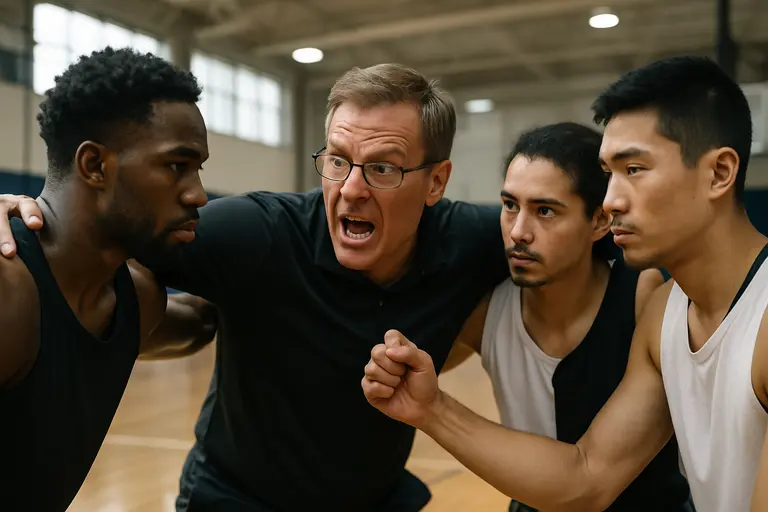
Indiana, Detroit, and Cleveland retained their head coaches, which gives the division a useful cultural contrast. Continuity can help teams avoid the translation period that comes with new terminology, altered practice rhythms, and changed staff relationships. It can also create pressure of a different kind: if the coach stays, the expectation is that internal growth or roster adjustment will address the team’s needs.
That contrast matters for Chicago and Milwaukee. Their new coaches will be compared not only with each other, but with teams that did not change leadership. If the Bulls and Bucks start slowly, patience will be tested. If they show cleaner habits early, the coaching choices will gain credibility even before the standings settle.
Division Culture Is Not One Story
Central Division Coaching should not be read as a single trend. Chicago’s move is tied to development, standards, and alignment with a changed front office. Milwaukee’s move is tied to accountability and identity after star-level turnover. The other three teams are working from continuity rather than a public reset.
For readers interested in broader sports dynamics, they might also explore Triple T Powersports for insights on team culture and fan interaction within the same network. However, this article remains focused on the NBA’s internal workings and locker-room direction.
Central Division Coaching Culture Stakes
What Can Be Judged Before The Standings
The first fair evaluation point for these coaching changes may not be wins. It may be whether the Bulls and Bucks look organized under stress. Do they maintain effort after poor shooting nights? Do young players understand their jobs? Do veterans buy into new routines? Does the staff communicate roles clearly enough to prevent drift?
Central Division Coaching will be judged by results eventually, but the earliest signs will be behavioral. Splitter’s Bulls need to show that high standards and player connection can live together. Jenkins’ Bucks need to show that accountability can hold through a roster transition without becoming empty language. Both coaches were hired before the 2026-27 season to change more than play calls. Their real work starts with the habits that players repeat when no one is watching the scoreboard.
