

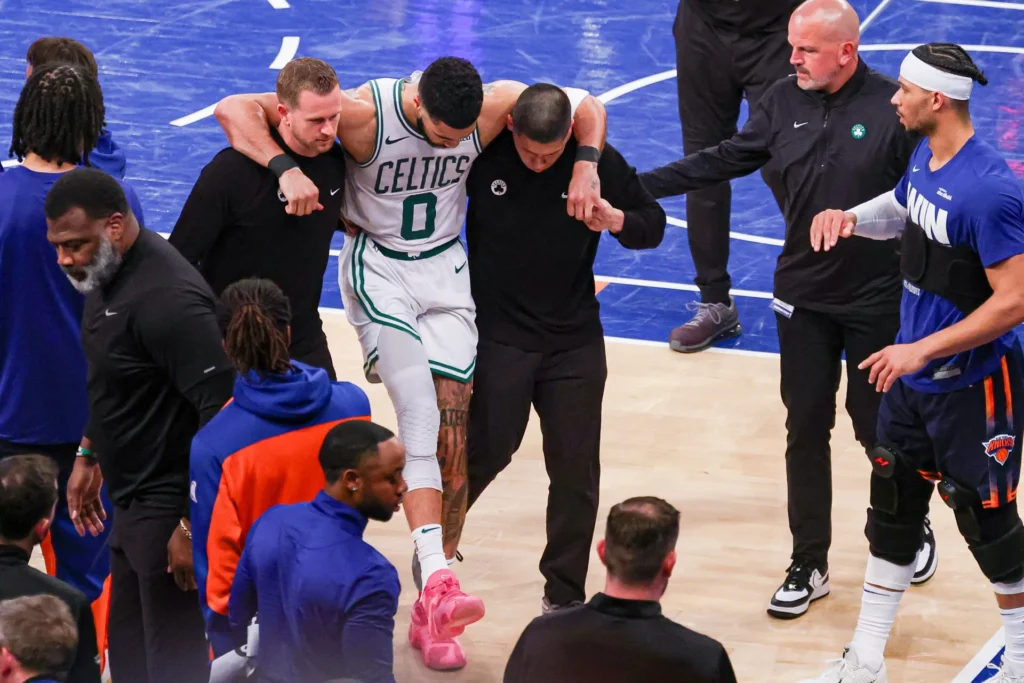
Professional sports are glamorous from the outside, but hidden beneath the surface is a constant risk: injury. For NBA athletes, a single injury can threaten years of hard work, millions in salary, and even an entire career. That’s why both player contracts and specialized insurance policies play a vital role in protecting the financial and professional futures of NBA stars and the franchises that depend on them. Here’s how these safeguards work together when injuries strike.
Understanding the Structure of NBA Contracts
NBA contracts are some of the most secure in the sports world, offering players a significant amount of financial protection—even in the face of injury. Player agents and team managers work closely to ensure that contracts address a range of scenarios, with particular emphasis on injury protection.
The key to this safety net is “guaranteed money,” a contractual feature ensuring players receive a substantial portion—or sometimes all—of their agreed salary even if they are sidelined. In most cases, star NBA athletes benefit from fully guaranteed contracts, meaning their pay is protected no matter what befalls them on the court.
The Role of Injury Insurance in Professional Basketball
While contracts provide one layer of security, injury insurance offers another. Teams often take out insurance policies on sizeable contracts, particularly for superstars with multimillion-dollar deals. These policies are designed to reimburse a significant percentage of a player’s salary if they are unable to play for an extended period due to injury—typically more than half the season.
On the player’s side, personal disability and loss-of-value insurance can further protect future earnings. College standouts or rookies entering the NBA sometimes purchase these policies to guard against a draft-day drop due to injury.
When Insurance Policies Pay Out for NBA Teams and Players
For a team, having insurance can mean recouping up to 80% of a sidelined athlete’s salary after a predetermined number of missed games—often 41, or half the regular season. This allows the franchise to preserve salary cap room and continue operating competitively despite losing a key player.
For the athlete, personal insurance may kick in if a career-threatening injury causes a drastic loss in future contract value or prematurely ends their playing career. These payments can reach millions, providing an important safety net that supplements contractual guarantees.
Real-World Cases: NBA Athletes and the Safety Net
Several high-profile NBA athletes have found themselves protected by the combination of contracts and insurance coverage. Kevin Durant, when he suffered an Achilles tendon injury, still received his guaranteed salary from the Brooklyn Nets—while the team’s insurance recouped much of their financial commitment. Another example is Zion Williamson, who secured loss-of-value insurance in college to protect his draft standing and rookie deal in case of injury.
Challenges and Trends in NBA Injury Insurance
Despite strong protections, disputes can arise over whether specific injuries qualify for insurance payouts or if pre-existing conditions are excluded. Premiums for elite player insurance can be steep, and navigating the claims process requires experienced legal and financial advisors.
As player salaries grow and injuries remain a risk, both NBA teams and individual athletes are seeing value in expanding and customizing their insurance packages to ensure every possible scenario is covered.
Conclusion: Essential Safeguards for Modern Athletes
NBA contracts and insurance policies form a crucial safety net for athletes, ensuring that the financial fallout from injury is minimized. They provide peace of mind for players, agents, and franchises alike, helping everyone focus on success—both on the court and off it. As the nature of professional basketball evolves, these protective measures will only become more important in the careers of tomorrow’s stars.
